


A sale can look simple until the leases show up Buying or selling commercial property in Polk County is rarely just about the building. If the property has tenants, the real “product” being sold is often the income stream, and that income stream depends on the leases. That is why two documents tend to take center stage in a tenant-occupied sale: estoppel certificates and lease assignments . At Floyd, Sammons & Spanjers, P.A., we help buyers, sellers, and property owners across Winter Haven and the greater Polk County area keep commercial transactions on track. In this guide, we’ll explain estoppels and lease assignments in plain English, why they matter, and how to approach them in a way that reduces surprises before closing. What these documents are, in plain language What is an estoppel certificate? An estoppel certificate is a signed statement, usually from a tenant, confirming key facts about the lease. Think of it as the tenant answering a short set of “yes or no” and “fill in the blank” questions so a buyer can trust what they are inheriting. Common items an estoppel certificate confirms include: The lease start date and expiration date The current rent amount and whether it is paid up The security deposit amount being held Any renewal options or expansion rights Whether the landlord owes the tenant any money or work Whether there are existing disputes, defaults, or promised concessions The point is not to renegotiate the lease. The point is to confirm the current reality of the landlord-tenant relationship before the property changes hands. What is a lease assignment? A lease assignment (often called an assignment and assumption of lease ) is the document that legally transfers the landlord’s rights and responsibilities under the lease from the seller to the buyer. In most sales, the buyer is not “starting a new lease.” Instead, the buyer is stepping into the seller’s shoes as landlord. The lease assignment typically covers: The effective date of the transfer (usually the closing date) Which leases are being assigned The buyer’s agreement to assume landlord obligations going forward How security deposits and prepaid rent are handled Any notices to tenants required by the lease In short: estoppels confirm what’s true, and assignments transfer the legal role of landlord. Why this matters to clients (financial, legal, and practical) Buyers: avoid buying a problem you did not price in When a buyer evaluates a tenant-occupied property, they are usually evaluating projected rent, lease terms, renewal probability, and tenant stability. If the lease terms are not what the buyer believes them to be, the buyer may be overpaying or inheriting operational headaches. Estoppel certificates reduce risk by verifying the lease details from the tenant directly. Lease assignments ensure the buyer actually receives the benefit of those leases and can enforce them after closing. Sellers: prevent last-minute delays or renegotiations Many deals slow down when buyers request estoppels and the seller does not have a clean lease file, or tenants are slow to respond. A buyer may ask for a price reduction or special escrow holdback if documents reveal unpaid rent, undisclosed concessions, or open disputes. Well-managed estoppels and assignments help sellers deliver what the contract requires and protect the sale timeline. Tenants: clarity about who the landlord will be and what carries forward Tenants also have an interest in accuracy. An estoppel certificate is their opportunity to confirm what is owed, what has been promised, and whether there are unresolved issues. A properly handled assignment helps prevent confusion about where rent should be paid and who is responsible for repairs after closing. Lenders and title companies: they often require these documents Commercial lenders commonly require estoppels as part of their underwriting. Title companies may also require tenant-related documents depending on the transaction and the form of title coverage. If a deal includes financing, estoppels and assignments are not “optional paperwork.” They are often a condition to closing. The step-by-step: how estoppels and assignments typically work in a sale Step 1: The purchase contract sets the ground rules Many commercial purchase contracts include a section on lease-related deliverables. This is where the parties agree on: Which tenant leases must be delivered Whether estoppels are required and in what form The percentage of tenants who must provide estoppels (for multi-tenant properties) The deadline to deliver estoppels before closing What happens if a tenant refuses or delays Whether the buyer can terminate or require a credit if documents reveal problems If the contract is vague, it becomes harder to enforce timelines and expectations later. Getting the contract language right early is one of the most effective ways to avoid closing-week chaos. Step 2: Lease file cleanup and document collection Before requesting estoppels, a seller should gather: The fully executed lease and all amendments Any side letters or written concessions Rent roll and payment history Security deposit records Notices of default (if any) and documentation of resolution Maintenance obligations and any open repair requests A buyer’s due diligence often involves comparing what the seller says (rent roll) with what the lease says (legal terms) and what the tenant says (estoppel). Step 3: Estoppel request is sent to the tenant The lease often contains an “estoppel” clause requiring the tenant to sign within a certain number of days. The request typically includes: The estoppel form A copy of the lease (sometimes) Instructions for return and timing Confirmation of where rent will be paid after closing (often delivered later) Tenants tend to respond faster when the request is clean, the deadlines match the lease, and questions are reasonable. Step 4: Review the estoppel results carefully This is the step where issues are discovered. Common “red flags” include: Tenant claims rent is different than the rent roll Tenant asserts a renewal option the buyer did not know about Tenant claims a security deposit amount that does not match records Tenant notes unresolved repair obligations Tenant alleges a dispute or default by the landlord A red flag does not always kill a deal, but it usually triggers a conversation about solutions. Step 5: Resolve discrepancies before closing Solutions may include: Seller correcting documents (finding an amendment, issuing a clarification) Completing repairs or agreeing to a credit Establishing an escrow holdback for disputed amounts Adjusting prorations for rent, deposits, or prepaid amounts Obtaining a revised estoppel if the first version contains errors The goal is to have a clear, agreed set of facts before the buyer takes over. Step 6: Prepare and execute lease assignments at closing At closing, the buyer and seller sign assignment documents for the leases being transferred. The closing statement also handles: The transfer or crediting of security deposits Prorated rent (who keeps what for the month of closing) Any prepaid rent or outstanding balances Tenants are then notified where to send rent and how to reach the new property management contact. Common examples and scenarios Scenario 1: The rent roll says $3,000 but the tenant pays $2,700 A seller’s rent roll may show “scheduled rent,” but the tenant may be paying a reduced rate due to a concession, a verbal agreement, or an amendment that was never filed properly. An estoppel certificate is where the tenant confirms what they actually owe. If the buyer priced the property assuming $3,000 per month, that gap can affect valuation and financing. Scenario 2: Tenant claims the landlord promised a major repair It is not unusual for a tenant to state in an estoppel that the landlord agreed to fix HVAC, repair a roof leak, or complete a build-out item, even if the seller did not view it as “open.” If this obligation exists, a buyer will want it resolved or priced into the deal. This is exactly the type of issue these documents are meant to flush out before closing. Scenario 3: Security deposit records do not match Security deposits are not just “numbers on paper.” They represent real money the buyer may need to return later if the tenant leaves in good standing. If the tenant certifies a deposit amount larger than what the seller is transferring, the buyer may require a credit at closing or a holdback to ensure the deposit is properly funded. Scenario 4: A tenant has renewal options that change the investment value Options to renew can be a good thing, but only if the buyer understands the terms. If an option locks rent below market, or allows termination, it affects the income stream and future leasing strategy. A properly drafted estoppel confirms those options so a buyer is not surprised after taking over. Scenario 5: Tenant refuses to sign an estoppel Sometimes the tenant is unresponsive, or disputes exist that make the tenant unwilling to sign. The lease may require cooperation, but enforcing that clause can take time. A well-drafted purchase contract anticipates this by requiring a certain percentage of estoppels, allowing alternative proof, or providing specific remedies if a key tenant refuses. Issues clients often face in these transactions “We do not have all the lease amendments” This is one of the most common practical problems. Leases evolve over time, especially in retail and office properties. Missing amendments can lead to mismatched rent, wrong expiration dates, or hidden rights. “The estoppel form is too aggressive” Tenants may resist forms that ask them to waive rights, admit defaults, or agree to new terms. Estoppels should confirm facts, not push a tenant into changing the lease. If tenants feel the request is unfair, it can slow down the process. “The timing does not match the contract or the lease” Many leases give tenants a specific period to respond to an estoppel request. If the purchase contract requires estoppels faster than the leases allow, the seller may not be able to comply without tenant cooperation. Aligning deadlines upfront matters. “The buyer’s lender has special requirements” A lender may require estoppels in a specific format, may require them from a percentage of tenants, or may require additional tenant financial information for certain property types. If this is discovered late, it can delay closing. “We are not sure how to handle deposits, prepaid rent, or delinquencies” These are accounting and legal issues at the same time. If not handled correctly in the closing statement and assignment documents, the buyer and seller can end up arguing after closing. “We have a tenant dispute in the background” Even small disputes become important during a sale because buyers dislike uncertainty. Clear documentation and a plan to resolve disputes can keep a deal from stalling. How Floyd, Sammons & Spanjers helps (and why support matters) Commercial real estate deals move faster and smoother when leases are treated as a core part of due diligence, not an afterthought. Our role is to help clients reduce surprises and protect their position, whether they are buying, selling, or managing an investment property. We help by: Drafting and negotiating purchase contracts with clear lease deliverables Reviewing leases, amendments, rent rolls, and tenant files for inconsistencies Preparing estoppel packages that are reasonable and enforceable under the lease Identifying red flags early so they can be resolved before closing week Drafting assignment and assumption documents that match the deal structure Coordinating with lenders, title companies, and closing agents to keep timing aligned Advising on practical solutions such as credits, holdbacks, or repairs when needed Just as importantly, we translate the moving parts into plain language so you know what you are agreeing to and why it matters. Call to action: “Know the Lease Before You Buy the Building” If you are buying or selling a tenant-occupied property in Winter Haven, Lakeland, or anywhere in Polk County, estoppel certificates and lease assignments should be handled carefully and early. These documents can protect you from hidden concessions, unclear obligations, and deal-delaying surprises. Reach out to Floyd, Sammons & Spanjers, P.A. to discuss your transaction. We can help you confirm the lease terms, prepare the right documents, and move toward closing with fewer unknowns. Closing thoughts for Polk County property owners and investors Commercial properties in Central Florida often involve long-term tenants, evolving lease terms, and real-world operational issues that do not always show up in a rent roll. Estoppel certificates and lease assignments are tools that bring clarity to the surface at the moment it matters most, before ownership changes hands. If you are planning a sale, exploring an acquisition, or reviewing a lease file and feeling unsure about what should be documented, our team is here to help you take the next step with confidence.

A question families ask right away After a death, most families want the same things: clarity, a plan, and a realistic timeline. If you’ve been told you “need to go through probate,” one of the first questions is almost always, “How long is this going to take?” In Polk County, probate timing depends on the type of case, what assets are involved, whether there is a valid will, and how organized the paperwork is from the start. At Floyd, Sammons & Spanjers, P.A., we help families throughout Polk County move through probate with steady guidance and clear expectations. This post explains what probate is, what drives the timeline in Polk County, and what you can do to help the process move as efficiently as possible. What probate is (and what it is not) Probate is the court-supervised process used to wrap up a person’s legal and financial affairs after death. In simple terms, probate is how the court confirms who has authority to act for the estate, makes sure creditors have a fair chance to present claims, and oversees the proper distribution of assets to heirs or beneficiaries. Probate is not always a courtroom battle. Many probate cases are routine, paperwork-driven matters with few disputes. But it is still a legal process with required steps, deadlines, and court filings, which is why the timeline is not the same for every family. Why probate timing matters to real people Probate is not just a legal checklist. The timeline affects everyday decisions and family stress levels in very practical ways. Financial pressure Families often need access to accounts to pay bills, maintain a home, cover funeral costs, or handle property taxes and insurance. If most assets are tied up in the probate estate, delays can create real strain. Real estate deadlines If the estate includes a home or other real property, timing matters for insurance, maintenance, HOA requirements, and potential sale timelines. In Florida, homes can be expensive to carry for months while probate is pending, especially if utilities, lawn care, or repairs are needed. Family expectations and conflict Even close families can become frustrated when the process feels slow or unclear. A realistic timeline and consistent updates help prevent misunderstandings that can lead to conflict. Peace of mind Many personal representatives feel a strong sense of responsibility and worry about making mistakes. Understanding the process reduces anxiety and helps you move forward with confidence. The short answer: typical probate timelines in Polk County While every case is different, here are realistic ranges that families commonly see in Florida probate matters, including in Polk County. Summary Administration: often 1 to 4 months Summary Administration is a simpler probate process available in certain situations, such as when the estate qualifies by value or when the person has been deceased for more than two years. It does not involve appointing a personal representative in the same way, and it can be faster when the paperwork is clean and the beneficiaries agree. Formal Administration: often 6 to 12 months Formal Administration is the more common process for larger estates, estates with real estate titled solely in the decedent’s name, or situations where Summary Administration is not available. The creditor claim window and required filings often mean a case cannot wrap up quickly, even when everything goes smoothly. Contested or complicated probate: 12 months to several years If there are disputes, missing heirs, significant creditor issues, litigation, or unusual assets, the timeline can extend substantially. The more issues that require court hearings, additional filings, or formal discovery, the longer the case can take. These ranges are general, but they help set expectations. A well-managed probate case is still a process measured in months, not weeks. What drives the probate timeline in Polk County Probate timing is shaped by a mix of legal deadlines and practical realities. Here are the biggest factors we see. 1. The type of probate case Whether a case qualifies for Summary Administration versus Formal Administration is one of the biggest drivers of time. Formal Administration has more moving parts and usually includes a creditor claim process that creates built-in waiting periods. 2. Whether there is a valid will If there is a valid will and the named personal representative is ready to serve, the case often starts smoothly. If there is no will, the court must determine the heirs and appoint someone to serve, which can add steps and time. 3. How quickly documents are gathered Probate moves at the pace of information. If the family can quickly provide a death certificate, the will, account statements, property records, and a clear list of known assets and debts, filings can happen faster. When information is missing, it takes longer to identify and collect what is needed. 4. Real estate and title issues Real estate is one of the most common reasons probate takes longer. If a home is titled solely in the decedent’s name, it often cannot be sold or transferred until the estate has authority to act. If there are title problems, old liens, deed errors, or unclear ownership history, additional legal work may be required before the property can be sold or distributed. 5. Creditor claims and debt issues Probate includes a process to address legitimate debts. Even when an estate is not “in debt,” there are often final medical bills, credit cards, or reimbursement issues. If creditor claims arise or are disputed, that can extend the timeline. 6. Family dynamics and beneficiary cooperation When beneficiaries agree and respond quickly, an estate can usually move forward smoothly. When beneficiaries are difficult to reach, disagree about property, or question decisions, the process often slows down. In the most serious cases, disputes can become formal litigation. 7. Court scheduling and procedural requirements Most probate work is handled through filings rather than frequent hearings, but courts still have procedures that must be followed. Even in efficient cases, the court needs time to review filings and issue orders. Step-by-step: what happens during probate and when To understand timing, it helps to understand the stages. Here is a typical probate flow in Florida, explained in plain language. Step 1: Identify the correct probate path The first question is whether the estate qualifies for Summary Administration or requires Formal Administration. That determination depends on factors like the value of the probate estate, the nature of the assets, and how long it has been since the death. Step 2: File the initial documents with the court The probate case starts with filing the petition and supporting documents. This usually includes the death certificate, the will (if one exists), and the paperwork that asks the court to open the case and appoint the personal representative if Formal Administration is required. Step 3: The court issues authority to act In Formal Administration, the personal representative needs formal authority to act on behalf of the estate. That authority is what allows the personal representative to access certain accounts, handle property issues, and sign documents for the estate. Step 4: Notify beneficiaries and creditors Probate includes notice requirements. Beneficiaries must receive certain information, and creditors must be given a fair opportunity to file claims. Even with a very organized estate, this stage creates a timeline that cannot be rushed. Step 5: Inventory and gather estate assets This stage includes identifying all assets, confirming how each asset is titled, and determining whether it is a probate asset or passes outside probate. It may involve collecting funds into an estate account, securing real estate, and coordinating with financial institutions. Step 6: Address debts, expenses, and taxes The estate must pay valid debts and certain expenses before final distribution. Not every estate has tax filings beyond basic final income issues, but larger estates or estates with business interests can involve more complexity. Step 7: Distribute assets to beneficiaries or heirs Once debts and expenses are handled, the personal representative can distribute assets according to the will or Florida law if there is no will. Distribution can involve transfers of real estate, distribution of funds, or handling personal property. Step 8: Close the probate estate The final step is closing the estate with the court. This includes final filings and approvals so the personal representative can be discharged from the role. Common scenarios and how long they tend to take Here are examples of situations that affect probate timing and what families should expect. Scenario 1: A straightforward estate with a clear will A parent passes away with a valid will, one or two adult children, and assets that are easy to identify. There are no disputes and no unusual creditor issues. This often falls in the 6 to 9 month range for Formal Administration, depending on what assets require probate. Scenario 2: A small estate that qualifies for Summary Administration The person has limited probate assets and the family is in agreement. The paperwork is organized, and there are no fights over property. This can often be resolved within a few months, sometimes faster, depending on the facts. Scenario 3: Real estate needs to be sold during probate The estate includes a home in Winter Haven, Lakeland, or another Polk County community that needs to be sold to divide proceeds or pay expenses. If the home is clean title and the sale is straightforward, probate can still move forward, but the sale timeline becomes part of the overall schedule. Delays in listing, repairs, buyer financing, or title clearance can extend the case. Scenario 4: No will and unclear family structure When there is no will, the court must determine who the legal heirs are under Florida law. If relationships are complicated, family members are out of state, or information is missing, this can slow the early stages of the case. These cases can still be handled successfully, but they often take longer than families expect. Scenario 5: Disputes or litigation A beneficiary challenges the will, disputes the personal representative’s actions, or argues about who should inherit. These matters can become formal litigation, and that changes the timeline dramatically. Once a case becomes contested, it can extend well beyond a year and require hearings, discovery, mediation, or trial. Issues clients often face during probate Even in routine cases, certain issues tend to surprise families. “We cannot access the bank account” Many banks will not release funds without the proper legal authority. Families sometimes assume they can simply bring a death certificate, but it usually does not work that way. Probate provides a structured way to gain authority and handle accounts correctly. “We need to sell the house quickly” Selling a house is often possible during probate, but it needs to be handled properly. Timing, authority, and title clearance all matter. Rushing without the correct steps can cause legal problems or delayed closings. “We are not sure what assets exist” This is more common than you might think, especially when someone handled finances privately. It can take time to locate accounts, confirm beneficiaries, and determine which assets are part of probate. A thorough, organized approach saves time later. “Family members disagree about personal property” Even when money is not a major issue, sentimental items can cause real tension. Without a plan, families can get stuck or argue over distribution. Clear communication and structure help keep things moving. “I am nervous about making a mistake” Personal representatives often feel overwhelmed by the responsibility. There are deadlines, legal duties, and expectations of fairness. Good legal guidance helps you avoid missteps and reduces stress. How Floyd, Sammons & Spanjers helps keep probate on track Probate is not something most people do more than once or twice in a lifetime. Having the right legal support helps you avoid delays, protect the estate, and keep family relationships as stable as possible. Here is what we focus on: Clear expectations from the start We explain what type of probate is likely required, what steps are involved, and what the timeline tends to look like in cases like yours. You will know what is happening and why. Organized filings and practical problem-solving Probate cases can be delayed by incomplete paperwork, missed steps, or unclear asset details. Our goal is to get filings right the first time and identify issues early so they do not become last-minute problems. Coordination with real estate and related matters Probate and real estate often overlap in Polk County. Our firm’s background in real estate matters helps us handle deeds, title questions, and closing coordination when an estate includes property. Communication that reduces stress Families often feel left in the dark during probate. We prioritize timely updates and plain-English explanations so you can make decisions with confidence. Help for out-of-town personal representatives and families If you live outside Winter Haven or Polk County, we can often handle much of the process with phone, email, and secure document sharing. You do not need to be in town for every step. Call to action: “Get a Clear Timeline, Not Guesswork” If you are dealing with a probate matter in Polk County, you deserve a realistic plan and steady guidance. The sooner you understand the right probate path and the key steps, the smoother the process tends to be. Reach out to Floyd, Sammons & Spanjers, P.A. to schedule a consultation. We will review your situation, explain what to expect, and help you move forward with clarity and confidence. A final note for families in Polk County Probate can feel intimidating, especially when you are still grieving. With the right help, it becomes a manageable process with clear steps and a steady pace. If you need assistance with probate in Winter Haven, Lakeland, Bartow, Haines City, Lake Wales, or anywhere in Polk County, our team is here to guide you through it and help you reach closure with fewer surprises.

A common question with a personal answer If you’re starting estate planning in Florida, you’ve probably heard some version of this: “Do I need a trust, or is a will enough?” It’s a fair question, and it comes up constantly because the right answer depends on your family, your assets, and what you want life to look like for your loved ones after you’re gone. At Floyd, Sammons & Spanjers, P.A., we help individuals and families across Polk County build estate plans that match real life. Some clients need a straightforward will and a solid set of incapacity documents. Others benefit from a trust-based plan to avoid probate, keep things private, or manage property for children and grandchildren. This guide will walk you through the differences in plain English so you can decide what “fits” before you ever sign anything. What a will and a trust are, in plain language What is a will? A will (often called a “Last Will and Testament”) is a written document that explains what happens to your assets when you die. In a Florida will, you can typically: Name who should receive your property Name a personal representative (sometimes called an executor in other states) Name guardians for minor children Give instructions for debts and expenses A will is an important foundation, but it usually works through the probate court process after death. Probate is not automatically “bad,” but it is a court-supervised process that takes time, requires certain filings, and becomes part of the public record. What is a trust? A trust is a legal arrangement where one person (the trustee) holds and manages assets for the benefit of someone else (the beneficiary). The most common type in estate planning is a revocable living trust. A revocable living trust is created during your lifetime and can be changed while you’re alive and competent. Typically, you serve as your own trustee at first, and you name a successor trustee to step in if you die or become incapacitated. A properly created and funded trust can allow assets held in the trust to pass to your chosen beneficiaries without going through probate for those assets. The key difference in one sentence A will tells the court what you want done after you die, while a trust is designed to hold and transfer assets with less court involvement, provided it is set up and funded correctly. Why this decision matters to Florida families Choosing between a will-based plan and a trust-based plan is not just about paperwork. It affects how smoothly things go for your family and how much control you keep over future outcomes. Probate time, privacy, and costs In Florida, probate can take months in many cases, and longer in more complicated situations. It is also generally public, meaning certain documents and information become part of the court file. For some families, that is not a major concern. For others, privacy is a priority, especially when family dynamics are complicated. A trust can reduce the need for probate for assets placed inside it. That can mean fewer court filings and a more direct transition for your beneficiaries. Protecting minor children and young adults If you have minor children, estate planning is not only about “who gets what.” It is also about timing and control. A will can name a guardian, and it can include provisions to create a testamentary trust. But if your goal is to prevent a child from receiving a large sum too early, you may want a structure that clearly manages assets over time and sets rules for distributions. Blended families and second marriages Blended family planning often requires extra clarity to avoid conflict. A simple “everything to my spouse” plan can be appropriate in some marriages, but it can also create unintentional outcomes when there are children from a prior relationship. Trust planning can give you more tools to provide for a spouse while also protecting an inheritance for children. The best approach depends on your goals and your family’s relationships. Real estate and “what happens to the house” For many Florida families, the home is the largest asset. How it is titled, whether it is homestead property, and who is supposed to receive it can all affect the plan. Trust planning can help coordinate real estate transfers, but Florida homestead rules add important details that should be addressed carefully. A will alone may still require probate for a home that is solely in your name. Out-of-state family members Many Polk County families have children or beneficiaries who live elsewhere. Probate can be harder for out-of-state family members to navigate, especially if they need to handle property, accounts, or deadlines from another state. A trust can simplify administration for families spread across the country, but the plan still must be drafted and implemented correctly. Key components and steps: how each option actually works If you choose a will-based plan A typical will-centered estate plan in Florida often includes: A Last Will and Testament Names beneficiaries, personal representative, and guardians for minor children. A Durable Power of Attorney Allows someone you trust to handle financial and legal matters if you are incapacitated. Health care documents Health care surrogate designation and living will, plus HIPAA-related authorizations. Beneficiary designation review Life insurance, retirement accounts, and payable-on-death accounts often transfer outside probate. A “what’s in probate” review We identify which assets are still likely to require probate and whether that aligns with your goals. A will-centered plan can be effective and cost-efficient, especially when assets are simple, beneficiaries are aligned, and probate is not a major concern. If you choose a trust-based plan A trust-based plan often includes: A Revocable Living Trust Establishes the rules, names the trustee and successor trustee, and sets the distribution plan. A Pour-Over Will Acts as a backup to move any remaining probate assets into the trust after death. A Durable Power of Attorney Still needed for certain financial and legal matters that are not handled through the trust. Health care documents Health care surrogate and living will still matter just as much. Funding the trust This is the make-or-break step. Funding means retitling certain assets into the trust or updating ownership and beneficiary structures where appropriate. A trust that is not funded is a common problem. People sign the trust documents and assume they are “done,” but the assets never get placed into the trust. The result is often probate anyway. Real-life examples: which option tends to fit which goals? Every plan is personal, but these examples show common patterns we see in Polk County estate planning. Example 1: A simple will often works when… You have a small number of assets Most assets already have beneficiaries (retirement accounts, life insurance) You are comfortable with probate, or it is likely to be straightforward Family dynamics are simple and cooperative In this case, a well-drafted will plus strong incapacity documents can accomplish the primary goals without building a more complex structure. Example 2: A trust is often worth considering when… You want to avoid probate for privacy, speed, or convenience You own real estate in your name alone, especially if you own multiple properties You have minor children or want ongoing management for younger beneficiaries You have a blended family and need a more customized plan You want a smoother process if you become incapacitated Trust planning is not about “being wealthy.” It is about controlling the process and reducing friction for the people who will handle things later. Example 3: Business owners and landlords often benefit from extra structure If you own rental property, manage multiple bank accounts for properties, or run a closely held business, trust planning can offer better continuity. But it must be coordinated with how the business or properties are owned and managed. For example, moving rental property into a trust can be helpful, but it should be done with an eye on insurance, property management procedures, and ongoing operations. Common issues and misunderstandings we see “I have a trust, so my family will avoid probate.” Only for assets that are actually in the trust. If your main bank accounts and your home are still in your individual name, your family may still need probate. “Trusts are only for people with a lot of money.” Many middle-income families choose trusts because they value privacy, want a smoother transition for a spouse or children, or want to reduce court involvement. “If I have a will, my family can access my accounts quickly.” Not necessarily. Banks and institutions often need specific legal authority. A personal representative may need to be appointed through probate before certain assets can be accessed. “My beneficiaries are clear, so I do not need to plan for incapacity.” Incapacity planning is one of the most important reasons to have an estate plan. A sudden illness or accident can create major issues if no one has authority to act on your behalf. “I can download a Florida will online and it will be fine.” Florida has specific signing requirements, and language matters. A do-it-yourself document may not reflect Florida law well, may create conflicts with beneficiary designations, and can increase the risk of disputes later. What clients often struggle with when making this choice They want certainty, but the answer depends on goals Most people want a clear rule: “Trusts are better,” or “Wills are enough.” The truth is that the best plan is the one that fits your goals and your family situation, not a one-size answer. They underestimate the importance of funding a trust Funding feels like an administrative step, but it is the step that makes the trust work. Without funding, families can end up doing probate while assuming they avoided it. They are not sure who to name Choosing a personal representative, trustee, or successor trustee is not just about trustworthiness. It is about organization, communication skills, and ability to handle deadlines and paperwork. They worry about “overcomplicating” the plan A good plan should feel clear, not overwhelming. Trust planning can be clean and straightforward when it is drafted with practical administration in mind. How Floyd, Sammons & Spanjers helps, and why guidance matters A will or trust is not just a document. It is a plan that should work in real life, under stress, and under time pressure. Our role is to make sure it is legally valid, aligned with your goals, and structured to reduce future confusion. At Floyd, Sammons & Spanjers, P.A., our estate planning work typically includes: Listening first, so we understand your goals, family situation, and concerns Explaining Florida-specific considerations in plain language Recommending a plan type based on goals, not trends Drafting documents that match Florida requirements and your real-life needs Coordinating the trust funding process when a trust is part of the plan Helping align real estate ownership, beneficiary designations, and planning documents Guidance matters because small mistakes can cause big problems later. A poorly drafted plan, an unfunded trust, or mismatched beneficiary forms can lead to delays, court involvement, and family conflict. The right plan is a gift to your family, and it should work when they need it most. Call to action: “Build the Plan That Actually Works” If you are deciding between a will and a trust in Florida, the fastest path to clarity is a short conversation about your goals. The right choice depends on what you own, who you want to protect, and how you want things handled if life takes an unexpected turn. Reach out to Floyd, Sammons & Spanjers, P.A. to schedule an estate planning consultation. We will help you compare options, make confident decisions, and leave with a plan that is clear, legally sound, and built for your family’s future. A closing note for Polk County families Estate planning should not feel like a sales pitch or a maze of legal jargon. Whether you choose a will, a trust, or a combination approach, the goal is the same: clear instructions, fewer surprises, and a smoother path for the people you care about most. When you are ready, our team is here to help you put the right plan in place.

A hard topic that becomes a gift to your family Most parents do not like to imagine a situation where they cannot be there for their kids. But guardianship planning is not about expecting the worst. It is about making sure that if something unexpected happens, your children are cared for by the people you trust, in a way that fits your values and keeps life as stable as possible. At Floyd, Sammons & Spanjers, P.A., we help families across Winter Haven and Polk County put clear legal plans in place, including the guardianship-related pieces that often get overlooked. When it is done well, this planning reduces confusion, avoids family conflict, and gives your loved ones a roadmap during an already difficult time. What “guardianship planning” means in plain English Guardianship planning is the part of estate planning that focuses on who will care for your minor children if you die or become unable to make decisions. It typically includes: Naming a guardian for minor children in your will. This is your legal nomination of who you want raising your child if both parents are unavailable. Planning for money and property. Minor children usually cannot directly receive or manage significant assets. Your plan needs a practical way to hold and manage funds for them. Planning for emergencies. Some families also create short-term authorizations that allow a trusted adult to make decisions temporarily if the parent is unavailable. Guardianship planning is not only for wealthy families. It is for anyone with minor children who wants to remove uncertainty and keep decisions within the family. Why this matters: the legal and personal consequences of “no plan” When parents do not have a plan, Florida law still provides a process, but it is not tailored to your family. In many cases, the court must step in to make decisions. Even when everyone is well-intentioned, that can create delays, expenses, and conflict. Here are the consequences families often do not realize: Your preferred caregiver may not be the one the court chooses If you have not nominated a guardian in a will, the court will consider who is appropriate, and family members may disagree. A “good” option might still not be your first choice. Clear nominations reduce the chance of a contested guardianship. Money for children can become complicated If your child inherits money without a plan for management, the court may require a formal guardianship of the child’s property or other oversight. That can mean ongoing reporting requirements and restrictions on how funds are used. A well-structured plan can avoid unnecessary court involvement while still protecting your child. Family conflict often shows up at the worst time After a tragedy, even close families can struggle to agree. Disagreements about schools, medical care, living arrangements, or finances can escalate quickly. Your plan is a way to speak clearly for your children when you cannot speak for yourself. Stability for children matters Children benefit from consistency: familiar routines, people they trust, and predictable support. Guardianship planning helps reduce sudden changes and confusion and makes it more likely your children stay connected to their community, school, and support system. The building blocks of a strong guardianship plan The best guardianship plans are simple, clear, and realistic. Here are the components that matter most. 1) Nominate a guardian in your will In Florida, parents commonly nominate a guardian for minor children in a last will and testament. This is the legal document that tells the court your preference. A strong nomination typically includes: Your first choice guardian A backup guardian Sometimes a separate guardian for different children (rare, but occasionally appropriate) A short explanation of your intent, if needed Good plans avoid long essays. They focus on clarity and practicality. 2) Consider whether the guardian and the money manager should be the same person A guardian raises the child. A trustee or financial manager handles the money. Those roles can be the same person, but they do not have to be. Some families prefer: One person to raise the child (guardian) Another person to manage money (trustee) This can reduce pressure on the guardian and create a layer of accountability. It can also help if you have a family member who would be an excellent caregiver but is not comfortable managing finances. 3) Decide how assets should be managed for a child Many parents do not want an 18-year-old to receive a large sum all at once. A common approach is to use a trust structure that allows money to be used for the child’s benefit over time. Typical goals include: Paying for school, tutoring, and extracurricular activities Covering medical care, therapy, or special needs supports Helping with housing and daily living expenses Providing funds gradually at certain ages rather than all at once A will can include trust provisions, or a separate trust can be created depending on the situation. 4) Update beneficiary designations to match the plan Parents often name a minor child as the beneficiary of life insurance or a retirement account. That can create complications because minors typically cannot receive those funds directly. Instead, the plan often works best when: Beneficiaries point to a trust, or Beneficiaries point to a responsible adult or trustee under a legally appropriate structure This is one of the most common gaps we see. The will says one thing, but the beneficiary form says another. 5) Address immediate, real-life concerns Guardianship planning is not just paperwork. It is also about practical guidance that helps your chosen guardian step in smoothly. Families often discuss: Where the child should live School preferences and continuity Medical providers and insurance information Religious and cultural values Contact with grandparents and extended family Special needs or learning plans Sports schedules, tutoring, and routines Some of this belongs in legal documents and some belongs in a family letter or planning file. The right approach depends on what you want to be legally binding versus personally guiding. Step-by-step: how to create a guardianship plan that works If you are starting from scratch, here is a straightforward path. Step 1: Identify your top guardian choice and your backup Start by listing two people or couples who could realistically do the job. Think through: Willingness and availability Health and energy for day-to-day parenting Age and stability Parenting style and values Proximity to your child’s current community Ability to keep siblings together Then talk to them. A nomination is stronger when the person has already agreed. Step 2: Choose a money manager and decide on the structure Next, decide how your child’s money should be managed if something happens to you. Consider: Who is organized, reliable, and calm under pressure Whether the guardian should also manage funds Whether a trust is needed, and what the key rules should be This step is especially important if you have life insurance, savings, investment accounts, or property. Step 3: Create or update your will and related estate planning documents For most families, the core documents include: Last will and testament (including guardian nomination) Durable power of attorney (financial decisions if you are living but incapacitated) Health care directives (medical decision-making) Any trust documents as needed Guardianship planning is strongest when it works together with the rest of your estate plan. Step 4: Align beneficiary designations and property titles This is where plans often fall apart if it is not addressed. Review: Life insurance beneficiaries Retirement accounts (401(k), IRA) Bank and brokerage account beneficiaries Payable-on-death and transfer-on-death designations Ownership of real estate The goal is consistency, so your assets flow the way you intend. Step 5: Organize a simple “family information file” This is not a legal requirement, but it is extremely helpful. A planning file might include: Copies of key documents and where originals are stored Insurance information A list of accounts and contact information School, pediatrician, and emergency contacts Key routines and needs for each child A small amount of organization here can save your guardian weeks of confusion later. Step 6: Review after major life changes Update your plan when you have: A new child Marriage or divorce A move to a new city or school district A major change in finances A guardian whose circumstances change Even without major changes, a review every few years keeps things current. Common examples families face (and what planning does for them) Example 1: “We have two good options, but they live in different cities” Parents often have one trusted person nearby and another trusted person out of town. Planning helps you weigh stability for your child against the strengths of each caregiver. A backup nomination keeps the plan workable if the first choice cannot serve. Example 2: “Our child has medical needs or an IEP at school” In these situations, continuity is everything. Planning allows you to name a guardian who can manage appointments, therapies, and school communication. A well-organized family information file can be just as important as the legal documents. Example 3: “We want grandma involved, but not as the full-time guardian” Many families want extended family to remain very involved but recognize that full-time parenting may not be realistic. You can nominate a guardian while also planning for ongoing family relationships. Clear planning reduces the chance that multiple family members end up in conflict. Example 4: “We have life insurance and do not want an 18-year-old receiving it all at once” This is a common and wise concern. Trust-based planning can control how funds are used for education and support. It can also provide a measured distribution later when your child is older and more mature. Example 5: “We own a home and want the kids to have stability” Parents sometimes want the child and guardian to be able to stay in the home, at least temporarily. Planning can address whether the home is sold, maintained, or held for a period of time. Without a plan, the home may need to be sold quickly to settle debts or distribute assets. Issues clients often run into with guardianship planning Even families with good intentions often face these challenges. “I cannot decide between two people” This is normal. We help clients think through the practical realities and build a plan with strong backups. The goal is not perfection. The goal is a clear, workable choice. “My preferred guardian is willing, but finances worry me” A guardian does not need to be wealthy to be a good parent. Planning can allow funds to be used for the child’s support without placing a financial burden on the guardian. Clear trustee rules can also help ensure funds are available when needed. “Our family dynamics are complicated” Blended families, second marriages, and strained relationships can make guardianship more sensitive. That is exactly when planning matters most. Clear documents reduce ambiguity and can help prevent court fights. “We already have wills, but we have not looked at them in years” Wills can become outdated quickly. Guardians move away, health changes, and children grow. A review can confirm whether your plan still makes sense. “Our assets are mostly life insurance and retirement accounts” That is common, and it still requires careful planning. Beneficiary designations can override what a will says. Aligning those forms with the plan is one of the most important steps. How Floyd, Sammons & Spanjers helps, and why support is critical Guardianship planning affects real lives. It deserves more than a generic template. Families benefit from legal guidance that ensures the plan is valid, coordinated, and enforceable under Florida law. At Floyd, Sammons & Spanjers, P.A., we help parents and guardians-to-be across Winter Haven and Polk County by: Creating wills that clearly nominate guardians and backup guardians Helping structure trusts or other tools to manage money for minor children Coordinating the “who raises the child” decision with “who manages the money” decisions Reviewing beneficiary designations and aligning them with the plan Updating older plans so they match your current family and goals Explaining options in plain English, without pressure or confusion Support is critical because these documents must be done correctly to work when they are needed. Clear planning also reduces the risk of disputes that can drain an estate and increase stress for the very people you are trying to protect. Call to action: “Make the Plan Before You Need It” If you have minor children, now is the time to put your guardianship plan in writing. It does not need to be complicated. It just needs to be clear, legally sound, and aligned with your family’s real life. Schedule a consultation with Floyd, Sammons & Spanjers, P.A. and let’s build a plan that names the right people, sets up the right financial structure, and gives your family clear direction if the unexpected happens. A closing note for Polk County families Parents handle a lot every day. Guardianship planning is one of those tasks that can feel heavy, so it is easy to postpone. But once it is complete, most families feel relief, because they know their children will be cared for by the people they trust, with clear guidance and a practical legal plan in place.

A lease can make or break a location Signing a commercial lease is one of the biggest legal and financial steps a business owner takes. The rent number might look manageable, but the fine print can change the real cost, the day-to-day rules, and what happens if things do not go as planned. At Floyd, Sammons & Spanjers, P.A., we help Winter Haven and Polk County business owners and property owners negotiate, review, and understand commercial leases so the space works for the business, not the other way around. This guide covers the lease terms that most often create surprises: CAM fees, build-outs, renewals, and defaults. The goal is plain-language clarity so you know what to ask, what to negotiate, and when it is smart to get legal help. What is a commercial lease, and why it is different from a residential lease? A commercial lease is a contract that governs the rental of business property: retail storefronts, office suites, warehouses, industrial space, medical offices, and more. It spells out the rent, the term, responsibilities for repairs and operating costs, and remedies if either side breaks the agreement. Commercial leases are different from residential leases in a few key ways: Fewer consumer protections. Florida law protects residential tenants in specific ways, but commercial leasing is largely “contract law,” meaning what you sign controls. More customization. Commercial leases are often negotiated and tailored, even in small strip centers. Higher stakes. The lease can affect profitability, staffing, expansion plans, and whether a location is sellable if you ever sell the business. In short, a commercial lease is not just a place to operate. It is a long-term set of financial and legal commitments. Why these lease terms matter to clients (money, risk, and peace of mind) Many lease disputes come from misunderstandings, not bad intentions. A landlord assumes the tenant understands pass-through costs. A tenant assumes “maintenance” means the landlord handles major systems. Later, the first major repair or annual reconciliation hits, and the relationship turns tense. Here is what is often at stake: Total occupancy cost. CAM and other add-ons can raise the real monthly cost significantly. Timing and cash flow. Build-out rules can delay opening, or create surprise costs before revenue starts. Long-term flexibility. Renewal rights, assignment rules, and termination clauses affect whether you can grow, sell, or relocate. Default consequences. Late fees, interest, attorney’s fees, and eviction timing can become urgent and expensive quickly. A careful review up front often costs far less than trying to fight a bad lease later. The core components of most commercial leases (a quick map) Before we zoom in on CAM, build-outs, renewals, and defaults, it helps to know the basic structure. Most commercial leases include: Parties and premises (who, what space, and what areas are included) Term and rent (base rent, escalation, and when payments are due) Deposits and guarantees (security deposit, personal guaranty, letters of credit) Operating expenses (CAM, taxes, insurance, utilities) Use clause (what the tenant is allowed to do there) Maintenance and repairs (who fixes what, and standards) Alterations and build-outs (what changes are allowed, approvals, permits) Assignment and subletting (whether tenant can transfer the lease) Insurance and indemnity (who carries what coverage) Default and remedies (what happens if someone breaches) Renewal options and end-of-term obligations Now let’s focus on the four areas that commonly drive costs and disputes. CAM fees explained (and why they surprise so many tenants) What are CAM fees? CAM stands for Common Area Maintenance . In many retail and multi-tenant properties, the landlord maintains shared spaces like parking lots, landscaping, exterior lighting, sidewalks, and sometimes shared HVAC or exterior building components. In a lease with CAM, the tenant typically pays a proportionate share of those common costs. CAM is most common in: Strip centers and shopping plazas Office buildings with shared lobbies and corridors Industrial parks with shared roads or security CAM is not just landscaping Depending on the lease, CAM may include a wide range of costs, such as: Landscaping, irrigation, and tree trimming Parking lot repairs, repaving, striping Lighting and exterior electricity Security, camera systems, patrol services Trash services in common areas Management fees charged by the landlord Roof, exterior, or structural reserves (sometimes included, sometimes excluded) Property taxes and property insurance (often billed separately, but sometimes bundled) CAM structures: caps, floors, and reconciliation Commercial CAM is often billed in one of these ways: Estimated monthly payments with annual reconciliation. You pay a monthly estimate, then the landlord provides an annual statement showing the actual costs and your share. You might owe more, or receive a credit. Capped CAM increases. A “cap” limits how much certain CAM charges can increase year over year, often excluding taxes and insurance. Base year or expense stop. More common in office leases, where the landlord covers operating expenses up to a baseline year and the tenant pays increases above that amount. A simple example A Winter Haven business leases 2,000 square feet in a 20,000-square-foot center. The tenant’s share is 10%. If annual CAM is $60,000, the tenant’s share is $6,000, or $500 per month. If CAM jumps because of parking lot resurfacing or insurance increases, that monthly cost could rise quickly. What tenants should ask for CAM negotiations often come down to clarity and limits. Tenants frequently want: A clear definition of what is included and excluded The right to review or audit CAM records A cap on increases for controllable expenses Exclusions for major capital improvements, or rules for how they are amortized Landlords typically want the lease to clearly allow recovery of operating costs so the property stays maintained. Build-outs and tenant improvements (TI): who pays, who owns, and who approves? What is a “build-out”? A build-out is the work needed to make a space usable for your business. It can include: Interior walls, flooring, and paint Plumbing and electrical modifications HVAC changes Restrooms and ADA considerations Fire suppression and alarms Signage and storefront changes Permits, inspections, and contractor requirements Tenant Improvements (TI) and allowances Some landlords offer a TI allowance , which is money the landlord contributes toward build-out costs. Sometimes it is a fixed dollar amount per square foot, and sometimes it is reimbursement after you provide paid invoices. Key TI questions to clarify in the lease: Is the allowance paid up front, as reimbursement, or as a rent credit? What costs qualify (labor, materials, permits, design)? Is there a deadline to use it? What happens if build-out costs exceed the allowance? Approval and control: the “plans and specs” process Most leases require tenants to submit plans for landlord approval before doing work. This is normal, but tenants should watch for: Unreasonably broad landlord discretion (approval can be delayed without clear timelines) Requirements to use landlord-preferred contractors at higher costs Insurance and indemnity obligations for contractors Strict rules on hours of construction and access Who owns the improvements? Some improvements are “fixtures” that become part of the property, while others are tenant-owned trade fixtures that the tenant can remove. Leases often include an end-of-term requirement to: Remove certain improvements and restore the space, or Leave improvements in place “broom clean,” or Restore to a “white box” condition If restoration is not addressed clearly, the end of the lease can come with a surprise expense. Build-out timeline: delay can be costly If your lease starts charging rent before you can open, delays can be painful. Many leases include a rent commencement date tied to: A fixed date after signing A fixed date after delivery of the space Completion of landlord work (if any) Receipt of permits or a certificate of occupancy Business owners should try to align the rent start with realistic build-out timing, especially for restaurant, medical, or specialized uses. Renewal options: how to keep control of your long-term location What is a renewal option? A renewal option is a tenant’s contractual right to extend the lease for an additional term, usually under defined conditions. Without a renewal option, you are relying on the landlord’s willingness to renegotiate later. Renewal options matter most when: You are investing heavily in build-out The location is central to your brand or customer traffic You expect the area to appreciate You want stability for employees and vendors Common renewal pitfalls A renewal option is only as useful as its details. Common issues include: Short notice windows. Some leases require notice 6 to 12 months before the term ends. Strict conditions. The tenant may lose the option if there has been any default, even minor or cured defaults. Vague rent terms. “Fair market rent” sounds reasonable, but the process must be defined or disputes can follow. Rent setting methods for renewals Renewal rent is often set by: A fixed increase (for example, 3% per year) A set schedule included in the lease Fair market rent, sometimes with an appraisal process if the parties disagree For fair market rent, it helps to define: How the market rent is determined Whether CAM and other charges are included in comparisons What happens if the parties cannot agree (appraisers, arbitration, or another mechanism) Expansion and relocation rights Some commercial tenants want: A right of first refusal on adjacent space An expansion option A restriction on landlord relocating the tenant These terms are not always available, but they are worth discussing if the business plans to grow. Defaults and remedies: what happens if something goes wrong What is a “default” in a commercial lease? A default is a breach of the lease, such as: Failure to pay rent or CAM on time Violation of the use clause Failure to maintain insurance Unauthorized alterations Failure to repair tenant-responsibility items Holding over after the term ends Not all defaults are equal. Many leases distinguish between: Monetary defaults (late payments) and Non-monetary defaults (other breaches) Notice and cure periods One of the most important default protections is the right to receive notice and an opportunity to fix the problem. Cure periods vary and may be: 3 to 10 days for unpaid rent 10 to 30 days for non-monetary issues, sometimes longer if repairs are underway Tenants should understand: When notice is required How notice must be delivered (mail, email, hand delivery) What counts as “cured” Remedies landlords often have Depending on the lease and Florida law, remedies may include: Late fees and interest Attorney’s fees Termination of the lease Eviction and repossession Acceleration of future rent (in some leases) Claims against security deposit Enforcement of personal guaranties Remedies tenants may need Tenants should also consider what happens if the landlord defaults, such as: Failure to maintain the property Failure to repair common areas Interference with access or parking Failure to address safety issues A good lease spells out tenant remedies, including notice requirements and possible rent abatement in limited circumstances. Step-by-step guidance: how to approach a commercial lease review Here is a practical approach that works for both tenants and landlords. Step 1: Identify the lease type and real costs Commercial leases often fall into categories: Gross lease: rent includes most expenses Modified gross: some expenses included, some passed through Triple net (NNN): tenant pays base rent plus taxes, insurance, and CAM Ask for an estimate of total monthly occupancy cost, not just base rent. Step 2: Clarify CAM details early Before signing, request: Prior year CAM statements (if available) Clear definitions and exclusions Caps and audit rights if appropriate How capital expenses are handled Step 3: Align build-out responsibilities with your timeline Confirm: Who is responsible for permitting and inspections Who pays, and when Approval timelines and contractor rules Rent commencement and possible build-out rent relief Step 4: Secure renewal and flexibility where it matters Consider: Renewal options with clear rent-setting language Assignment and subletting rights (important if you may sell the business) Signage and exclusivity rights if needed Termination or relocation clauses and whether they are acceptable Step 5: Understand default risk and personal guarantees If a personal guarantee is required, understand what it covers: Full lease term or limited term “Good guy” guarantees (limited if the tenant vacates properly) Limits tied to unpaid rent only versus full damages Know your notice and cure periods so small mistakes do not become big problems. Common scenarios we see in Central Florida commercial leasing Scenario 1: CAM increases turn a “good deal” into a budget problem A tenant signs a lease with low base rent but broad CAM language. A year later, the tenant receives a large reconciliation bill due to insurance increases and property repairs. With clearer CAM terms and better projections, the tenant could have negotiated a cap or insisted on certain exclusions. Scenario 2: Build-out delays cause months of rent before opening A tenant assumes the space will be ready quickly, but permitting and contractor scheduling take longer than expected. Rent begins on a fixed date, and the tenant pays rent without revenue. Better rent commencement terms, or a phased rent start tied to completion milestones, can reduce this risk. Scenario 3: Renewal option is lost because notice was late A tenant plans to renew, but the lease required notice 9 months before the term ends. The tenant misses the window and loses leverage. A calendar reminder and a clear renewal clause are simple, practical protections. Scenario 4: A default notice arrives over a technical issue A tenant accidentally allows insurance coverage to lapse for a short period. The landlord issues a default notice and threatens termination. Clear notice-and-cure language, plus proper internal processes, can prevent this type of crisis. Scenario 5: Tenant wants to sell the business but cannot assign the lease A buyer is ready, but the lease prohibits assignment without landlord approval, and the landlord refuses or demands major concessions. Assignment and subletting terms are often overlooked, but they can determine whether a business sale is possible. Issues clients often face with commercial leases Commercial leases create repeat pain points, especially for first-time tenants and small business owners. Unclear or overly broad CAM definitions No ability to verify CAM charges Unbalanced maintenance responsibilities Hidden restoration obligations at the end of the term Strict default language with minimal cure time Personal guaranties that create more risk than the tenant expected Renewal clauses that look helpful but are vague in practice Use clauses that restrict business growth or product lines Signage restrictions that hurt visibility Parking and access issues not addressed in writing The common theme is that lease language is often written to avoid ambiguity for the landlord, but that can create risk for the tenant unless balanced carefully. How Floyd, Sammons & Spanjers helps, and why legal support matters A commercial lease is more than a form. It is a long-term business relationship with real consequences. Our role is to make sure the lease matches your goals, reflects the realities of your operations, and reduces avoidable risk. At Floyd, Sammons & Spanjers, P.A., we help clients across Winter Haven, Lakeland, Bartow, Haines City, and Lake Wales by: Reviewing leases in plain English and flagging high-impact issues Negotiating CAM definitions, caps, and audit rights when appropriate Clarifying build-out rules, timelines, approvals, and restoration obligations Strengthening renewal options and flexibility for future growth Evaluating default clauses, cure periods, and remedies Advising on entity structuring for property and lease signing where needed Helping landlords draft leases that reduce disputes and improve enforceability Support is critical because commercial lease issues are hardest to fix after signing. A strong review up front can prevent disputes, control costs, and protect your business when circumstances change. Call to action: “Before You Sign, Know What You’re Signing” If you are about to sign a commercial lease, renewing an existing lease, or dealing with a disagreement about CAM, repairs, or default notices, it is worth getting clear guidance before the situation escalates. A short review now can prevent expensive surprises later. Contact Floyd, Sammons & Spanjers, P.A. to schedule a commercial lease review. We will help you understand the real costs, negotiate practical terms, and move forward with confidence. A Polk County closing thought In a growing area like Central Florida, the right location can be a major advantage. The lease should support that advantage, not quietly undermine it. If you are leasing commercial space in Winter Haven or anywhere in Polk County, our team is here to help you make smart, informed decisions from the start.
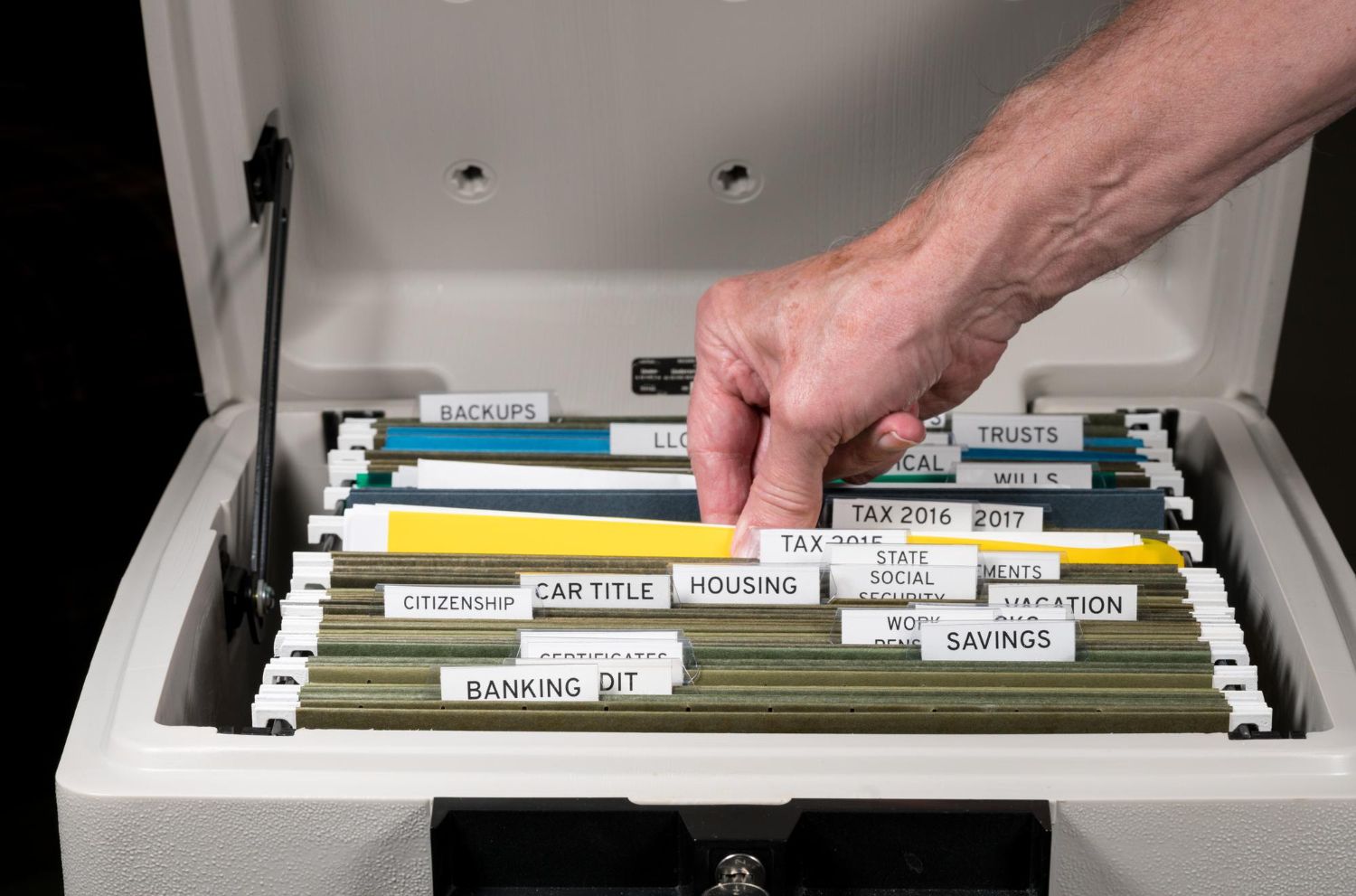
A calmer, clearer start to planning Most people put off estate planning because they assume it will be complicated, uncomfortable, or time-consuming. The reality is that a good estate planning meeting is usually straightforward, especially when you show up with a few key details. At Floyd, Sammons & Spanjers, P.A., we help individuals and families in Winter Haven and across Polk County turn big questions into clear decisions, with a plan that fits real life. This guide explains what to bring, what you can gather ahead of time, and how to feel prepared even if you are starting from scratch. What an “estate planning meeting” is, in plain English An estate planning meeting is a focused conversation with an attorney where you map out how you want important decisions handled if you pass away or if you become unable to manage your own affairs. It is not just about money. It is also about who can make medical decisions for you, who can manage your finances, and how to reduce confusion for the people you care about. In most Florida estate planning meetings, the attorney is looking to answer four practical questions: Who are the key people in your life, and what do you want to happen if something happens to you? What assets and responsibilities do you have right now? Who should be in charge of decisions and paperwork when you cannot be? What legal documents best match your goals and your situation? That is it. Everything else is the attorney helping you translate those answers into documents that work under Florida law. Why preparation matters to you and your family Showing up prepared does not mean showing up with a perfect spreadsheet. It means bringing enough information to avoid delays, reduce stress, and make sure the plan reflects your real wishes. It helps you make better decisions Estate planning decisions often come down to people: who you trust, who will be responsible, and what is fair. When you have names, contact info, and a basic picture of your assets, you can focus on the choices instead of hunting for information. It can prevent expensive mistakes If beneficiary designations conflict with a will, or if a house deed is not aligned with the plan, problems can surface later in probate. Catching these issues while you are alive is usually much easier and less costly than fixing them after the fact. It reduces family conflict When your wishes are written clearly and your documents are executed properly, loved ones are less likely to argue about what you “would have wanted.” Good planning is often one of the most considerate things you can do for your family. It saves time If you bring the right materials, the attorney can draft documents more quickly and accurately. That can reduce the need for multiple follow-ups and help you move from “planning to plan” to an executed estate plan. Step-by-step: What to bring to your estate planning meeting Below is a practical checklist. Bring what you have, and do not worry if you do not have everything. A good estate planning meeting can still be productive with partial information. Step 1: Basic personal information Bring: Your full legal name, date of birth, and current address A photo ID (driver’s license or passport) Your spouse’s information (if applicable) Prior names or name changes (if relevant) Why it matters: Legal documents need correct names and addresses. If you have recently moved to Florida or changed your name, your attorney may want to confirm certain details to avoid mismatches. Step 2: Your immediate family and key relationships Bring a simple list of: Spouse or partner Children (including adult children), with birthdates if possible Any minor children and who currently cares for them Parents (if living) Anyone you financially support Anyone with special needs or who receives benefits Why it matters: Decisions about guardianship for minor children and future distributions are central to estate planning. Special situations may require extra care so the plan does not accidentally create problems with benefits or long-term support. Step 3: Names of the decision-makers you want to appoint You will likely need to pick: A personal representative (executor) for your estate A trustee or successor trustee (if a trust is used) A power of attorney agent (financial decisions) A health care surrogate (medical decisions) Backup choices for each role Bring: Full names Phone numbers and emails Where they live (city and state) Helpful extra: Whether that person is willing to serve Any reasons you prefer one person over another Why it matters: The best plan in the world fails if the chosen person cannot realistically serve, or if there is no backup. Florida documents often require very specific language and authority, so clarity about roles matters early. Step 4: A snapshot of your assets This does not need to be perfect. A written list is enough. Bring a list of: Real estate you own (home, rental property, land), with addresses Bank accounts (checking, savings, CDs) Retirement accounts (401(k), IRA, pensions) Life insurance policies Investments (brokerage accounts, stocks) Business interests (ownership in an LLC, corporation, partnership) Vehicles, boats, or other major assets Any valuable personal items you want to plan for specifically (family jewelry, heirlooms, collectibles) If you can, bring: Recent statements (last 1 to 3 months) for major accounts A copy of your deed or property tax bill for real estate A copy of your homeowner’s insurance declaration page (optional but helpful) Why it matters: Some assets pass through a will, while others pass by beneficiary designation or joint ownership. Understanding what you own helps your attorney recommend the right tools, such as a will, a trust, or both. Step 5: A list of debts and obligations Bring a basic list of: Mortgage(s) Home equity lines of credit Credit card debt (approximate totals are fine) Car loans Student loans Any personal loans Any ongoing obligations like child support or alimony (if applicable) Why it matters: Your estate may need to address debts before distributing assets. Knowing the broad picture helps your attorney plan realistically. Step 6: Existing legal documents, even if you think they are outdated Bring copies of any: Prior will or trust Power of attorney Living will or health care documents Prenuptial or postnuptial agreement Divorce judgment or settlement agreement Prior probate documents (if you have served as executor before or have relevant records) Why it matters: Old documents still matter, even if you want new ones. Your attorney needs to know what exists so they can advise you on updates, revocation, and consistency. Step 7: Beneficiary designations and ownership details Many estate plans fail because the will says one thing and the beneficiary designations say another. Bring: Retirement account beneficiary information Life insurance beneficiary information Payable-on-death or transfer-on-death account details (if you have them) Whether accounts are joint, and with whom Why it matters: Beneficiary designations usually control, even if the will says otherwise. This is especially important for blended families and second marriages. Step 8: Special goals, concerns, and “what-if” questions Write down answers to questions like: Who should inherit, and in what shares? Are there people you want to provide for outside the traditional “children equally” approach? Is there anyone you do not want to inherit? Are you concerned about spendthrift beneficiaries, divorces, or lawsuits? Do you want to avoid probate if possible, or is simplicity the priority? Are there family dynamics that require careful planning? Why it matters: Estate planning is not just document drafting. It is planning for real life. The more your attorney understands your concerns, the better the plan will fit. Common examples and scenarios that come up in Polk County estate planning Every family is different, but a few scenarios show why preparation and planning matter. Example 1: The “everything to the kids” plan with a blended family A parent wants to leave assets to their children, but they are remarried. Without planning, the surviving spouse may have rights that change how the estate is handled, and conflict can arise. A well-structured plan can clarify expectations and reduce tension, but it requires the right information and careful choices. Example 2: The homeowner with adult children and one child who needs help managing money A parent wants to treat children fairly but knows one child needs structure. This can be handled through trusts, staged distributions, or a trustee arrangement, but it depends on the family’s comfort level and the assets involved. Bringing a basic asset list helps the attorney recommend practical options. Example 3: The small business owner If you own an LLC interest or a small business, estate planning often includes succession questions. Who can sign checks if you are incapacitated, and who becomes the owner if you pass away? Having your operating agreement and a high-level business summary makes the meeting much more productive. Example 4: The family with real estate across multiple properties In Polk County, it is common for families to own a primary home plus a rental or a piece of land. Real estate can create unique planning issues because title, deeds, and homestead rules matter. A deed copy or property address list helps your attorney spot issues early. Common problems people run into, and how to avoid them Even well-intentioned people often make similar mistakes. “I thought my will controlled everything” In Florida, many assets pass outside a will, such as retirement accounts and life insurance. That is why beneficiary designations and account ownership are so important. Bring what you can so your attorney can align the documents and designations. “I do not know who to choose as executor or power of attorney” That is normal. Your attorney can walk you through the qualities to look for, and you can name backups. A good approach is to bring a short list of possible candidates and talk through pros and cons. “My family situation is complicated, so I have avoided planning” This is actually when planning helps most. Blended families, estranged relatives, adult children with different financial habits, and special needs situations are all workable with the right plan. The meeting is a safe place to talk through it. “I am worried I will forget something important” You might. That is okay. Estate planning is often a process, not a single conversation. Bringing a basic outline will still allow the attorney to draft a solid plan and then fine-tune details as needed. “I downloaded forms online and now I am not sure they are valid” Florida has strict requirements for valid documents, especially wills. Online forms may not reflect Florida law or your specific situation. Bring what you have, and your attorney can tell you what is usable and what needs to be redone. How our firm helps, and why guidance matters Estate planning is personal, and it is also technical. Florida rules about execution, witnesses, powers of attorney, and homestead can create pitfalls that are not obvious to most people. The role of the attorney is to turn your intentions into documents that hold up when they are needed. At Floyd, Sammons & Spanjers, P.A., we help clients in Winter Haven and across Polk County by: Listening carefully to goals and family dynamics Recommending the right documents for your situation, not a one-size package Drafting Florida-compliant wills, trusts, powers of attorney, and health care documents Coordinating the signing process properly so documents are valid Helping align real estate, beneficiary designations, and practical next steps Just as importantly, we explain your plan in plain language so you know what you signed and why it works. Good estate planning should feel clear and settled, not confusing. Call to action: “Walk In Prepared, Walk Out With a Plan” If you have been putting off estate planning, the best first step is simply getting organized enough to start. You do not need a perfect file folder. You just need a short list of the people you trust and a basic picture of what you own. When you are ready, contact Floyd, Sammons & Spanjers, P.A. to schedule an estate planning meeting. We will help you prepare, answer your questions, and build a plan that reflects your wishes and supports your family. Closing: Planning that respects your life and your people Estate planning is not about paperwork for its own sake. It is about making things easier for the people you love and making sure your voice is clear if you cannot speak for yourself. If you are in Winter Haven, Lakeland, Bartow, Haines City, Lake Wales, or elsewhere in Polk County, our team is here to guide you through the process with steady, practical advice. Bring what you can, start where you are, and let us help you take the next step with confidence.

When the AC quits and the landlord will not respond In Florida, it is not uncommon for a rental problem to turn urgent fast, especially in the heat. A broken air conditioner, leaking plumbing, or electrical issues can make a home uncomfortable or even unsafe. Many tenants ask the same question: “Can I just stop paying rent until the landlord fixes it?” The short answer is: sometimes, but only if you follow the proper legal steps. At Floyd, Sammons & Spanjers, P.A., we help both tenants and landlords in Winter Haven and throughout Polk County understand their rights, meet the required timelines, and avoid the mistakes that can lead to an eviction or unnecessary conflict. What “withholding rent for repairs” means in plain English Withholding rent means a tenant temporarily stops paying rent because the landlord has not made required repairs that affect the habitability of the rental. In Florida, this concept is tied to specific legal requirements and notices. It is not a free pass to stop paying rent, and it is not the same as refusing rent because you are unhappy with the property. It is also important to understand that the law focuses on habitability and material noncompliance , not cosmetic issues. A broken tile or a minor drip may be frustrating, but it is not always a legal basis to withhold rent. Problems like no running water, broken plumbing, serious mold issues, faulty wiring, or lack of heat can be a different story. Why this matters so much to tenants and landlords Withholding rent the wrong way can create serious consequences for everyone involved. Financial consequences Tenants can face late fees, legal costs, and a rent balance that becomes harder to catch up on. Landlords can lose rental income and face larger repair bills if issues worsen. Either side may spend more money than necessary if the situation escalates into court. Legal consequences Tenants can be sued for eviction even if the repair issue is real, simply because the notice was defective or the process was not followed. Landlords can face claims for failing to maintain the property, especially if code issues are involved. A rushed decision can create a court record that follows a tenant and makes future housing harder to obtain. Personal consequences Living in poor conditions creates stress and health concerns. The landlord-tenant relationship can deteriorate quickly when communication breaks down. The uncertainty can disrupt work, school, and family stability. Handled correctly, many repair disputes can be resolved without court. Handled poorly, even a legitimate repair issue can turn into an eviction case. The legal basics: what Florida expects from landlords and tenants Florida landlord-tenant law generally expects two things to be true at the same time: Tenants must pay rent on time , and Landlords must maintain the property so it meets basic habitability requirements and applicable housing codes. When a landlord fails to maintain the unit in a meaningful way, Florida provides tools to demand repairs and, in certain situations, to withhold rent. The key is that tenants must follow the notice and timing requirements and must be prepared to show they acted reasonably. A few important realities: If the lease says tenants handle certain maintenance, that can matter. If a tenant caused the damage, that can change everything. If the tenant skips steps or does not document the problem, the tenant’s position gets weaker fast. Step-by-step: How to withhold rent for repairs in Florida the right way This is the practical checklist we recommend tenants follow before they even think about withholding rent. It is also the checklist landlords should understand, because it is the framework the court will look at if a dispute escalates. Step 1: Identify whether the issue is serious enough Ask: does this issue affect habitability or safety? Examples that often qualify as serious: No air conditioning during extreme heat (especially where it creates unsafe indoor conditions) Plumbing failures or sewage backups No hot water when required Electrical hazards Roof leaks with ongoing water intrusion Broken locks or security issues in certain circumstances Pest infestations that make the home unlivable Examples that usually do not justify withholding rent by themselves: Minor cosmetic damage Small, non-worsening issues that do not affect habitability Problems caused by the tenant or the tenant’s guests Optional amenities that are not part of the lease (unless the lease specifically makes them part of the rental obligation) If you are unsure, it is worth getting legal guidance before acting. Step 2: Document everything before you send a notice Good documentation often decides these cases. What to collect: Photos and videos with date stamps if possible Written notes of when the issue started and how it affects the unit Copies of maintenance requests, texts, portal submissions, or emails Names of anyone you spoke with and what was said If appropriate, invoices or written opinions from licensed contractors (even estimates help) The goal is simple: if you later need to explain the situation to a judge, you can show a clean timeline. Step 3: Notify the landlord in writing and keep proof Even if you already called or texted, written notice matters . Best practice: Send the notice by a method that creates proof, such as email plus certified mail, or a property portal submission plus an email copy. Keep a copy of what you sent. Be calm and specific. Emotional messages can backfire. What the notice should include: The specific problem When it started A clear request for repair A reasonable deadline based on the law and the severity A statement that you will pursue legal remedies if the issue is not fixed Step 4: Provide the required “7-day notice” when applicable For many repair issues that rise to a legal level, Florida requires a notice that gives the landlord seven days to fix the issue. This is commonly referred to as a “7-day notice to cure” for the landlord’s noncompliance. Important details: The seven-day period typically starts after proper notice is delivered. If the issue is fixed within the time allowed, the tenant is generally expected to continue paying rent normally. If the issue is not fixed, the tenant may have legal options that can include withholding rent or terminating the lease, depending on the circumstances. Because notice defects are a major reason tenants lose otherwise valid cases, this is the step where many people benefit from legal review. Step 5: Keep the withheld rent available and set aside If you withhold rent, you should treat that rent like it is still owed. In many situations, the court expects tenants to be able to deposit the rent if required during an eviction dispute. Best practice: Put the rent in a separate account and do not spend it. Keep records showing you had the funds available on the due date. Be prepared to pay once repairs are made or as a court requires. This is one of the biggest misconceptions. Withholding rent is not “getting out of rent.” It is a legal pressure mechanism tied to repairs, and it can come with strict requirements. Step 6: Avoid “self-help” actions that can harm your case Some actions can weaken a tenant’s position even if the repair issue is real. Avoid: Changing locks without permission Withholding rent without proper written notice Threatening language or harassment Stopping rent payments while continuing to violate the lease in other ways Refusing reasonable access for repairs after requesting repairs If you ask for repairs, you generally need to allow access for the landlord or contractors to do the work, with reasonable notice. Step 7: If an eviction is filed, respond immediately and correctly If a landlord files an eviction for nonpayment after rent was withheld, the tenant must take it seriously. Eviction timelines move quickly in Polk County. Key point: Courts may require tenants to deposit rent into the court registry in certain situations. Missing a deadline can lead to a default judgment even if the tenant had a real repair issue. If you receive court papers, get legal advice quickly. The earlier you act, the more options you usually have. Common examples and real-life scenarios Here are a few typical situations where withholding rent comes up, and what often matters most. Scenario 1: The AC stops working in July A tenant reports the AC problem, but the landlord delays and weeks pass. The tenant sends a written notice with a clear timeline and documents indoor temperatures and health concerns. If the landlord still does not repair, the tenant may have stronger legal footing, especially if the issue creates unsafe living conditions. What usually matters: Proof the landlord received proper written notice How severe the conditions are Whether the landlord made reasonable efforts to repair Whether the tenant continued to cooperate with access Scenario 2: Plumbing leak causes repeated water damage A tenant reports a leak that damages drywall and creates mold concerns. The landlord does a quick patch but the problem returns, and the tenant has repeated documentation. Pattern and repeat failures can support a tenant’s claim that the problem is not being truly fixed. What usually matters: A clear timeline showing repeated issues Photos showing progression Whether the repairs were meaningful or temporary Scenario 3: The landlord refuses to address a pest infestation The tenant documents pests, reports the issue, and provides written notice. Pest issues can be habitability-related depending on severity and cause. If the tenant contributed by poor housekeeping, the analysis can change. What usually matters: Severity and proof Responsibility under the lease Whether the landlord took timely steps Scenario 4: A repair is needed, but the tenant refuses entry The tenant demands repairs but refuses to allow contractors inside. This often harms the tenant’s case. Courts generally expect tenants to cooperate with reasonable access. What usually matters: Whether access was reasonably offered and reasonably refused Written scheduling attempts Issues clients often face with rent withholding Even smart tenants make mistakes because the rules are not intuitive. Common problems include: Using texts only. Texts can help, but they do not always show proper notice and delivery clearly. No clear deadline. Courts tend to look for a reasonable opportunity to cure. Withholding for minor issues. Not every inconvenience supports withholding rent. Spending the withheld rent. This is a big risk if the dispute reaches court. Waiting too long. Delays in notice and documentation can weaken a claim. Letting emotion drive decisions. Angry messages can complicate negotiation and court perception. On the landlord side, common issues include: Slow response times. Delays can turn a small repair into a legal conflict. Poor documentation. Landlords should document repair attempts and communications. Improper notices or filings. Mistakes can delay an eviction and increase costs. Escalating instead of problem-solving. Many disputes resolve with clearer communication and a workable plan. How Floyd, Sammons & Spanjers, P.A. helps, and why support matters Landlord-tenant law is one of those areas where the details decide the outcome. A tenant can be right about the repair issue and still lose if the process is handled incorrectly. A landlord can be legally entitled to rent and still face delays or exposure if repairs are ignored or notices are flawed. Our firm helps by: Reviewing notices for legal sufficiency before they are sent Advising tenants on lawful options, including repair demands, rent withholding where appropriate, and negotiated move-out agreements Helping landlords respond properly, document repairs, and keep a clean record Handling eviction filings in Polk County when the situation requires court involvement Working toward practical settlement solutions when they make sense for both sides Floyd, Sammons & Spanjers, P.A. serves Winter Haven and communities across Polk County, including Lakeland, Bartow, Haines City, and Lake Wales. Whether you are trying to get essential repairs completed or trying to protect your property rights as an owner, having a clear strategy early often prevents a problem from becoming a case. Call to action: “Get Repairs Handled the Right Way” If you are considering withholding rent for repairs in Florida, do not guess. A small mistake in notice language or timing can turn a repair dispute into an eviction risk, even when the underlying problem is real. Contact Floyd, Sammons & Spanjers, P.A. to talk through your situation and your next steps. We will help you understand what Florida law expects, what documentation strengthens your position, and how to move toward a practical resolution. A practical closing for Winter Haven and Polk County renters Repairs are not just a maintenance issue. They can become a legal issue quickly, especially when rent and deadlines are involved. If you are in Winter Haven or elsewhere in Polk County and you are dealing with serious repair problems, the safest path is a clear written plan, careful documentation, and guidance before you take a step that could impact your housing. When you are ready, Floyd, Sammons & Spanjers, P.A. is here to help you move forward with clarity and confidence.

A calm plan for a big purchase Buying a home in Winter Haven is exciting, but it can also feel like a blur of deadlines, documents, and decisions. One moment you are touring a place near the Chain of Lakes or looking at neighborhoods off Cypress Gardens Boulevard, and the next you are being asked to sign a contract, schedule inspections, and wire earnest money, all on a tight timeline. That is exactly where the right checklist helps. At Floyd, Sammons & Spanjers, P.A., we guide buyers through the legal side of the process so you understand what you are signing, what your deadlines mean, and what your options are if something changes. The goal is a smooth closing, fewer surprises, and peace of mind from offer to keys. What this “home buying checklist” really means A home buying checklist is a practical step-by-step plan that helps you manage the three moving parts that most often decide whether your purchase goes smoothly: The contract: the written agreement that controls price, deadlines, contingencies, and what happens if something goes wrong. Inspections and due diligence: the period where you verify the condition of the home and negotiate repairs, credits, or other terms. The timeline to closing: the sequence of tasks that must happen in the right order so your lender, title company, and closing team can finalize the transaction. In Florida, many residential transactions use standardized forms, but “standard” does not mean “simple.” Small clauses and short deadlines can have big consequences. This checklist is designed to help you keep control of the process and know when to ask for help. Why this matters to buyers in Winter Haven and Polk County A home purchase is not just emotional, it is legal and financial. The details you handle during the contract and inspection phase can affect you for years after closing. Financial consequences Paying for repairs you did not anticipate Losing deposits if deadlines are missed Buying a home with hidden issues that become expensive later Taking on costs tied to HOA rules, insurance requirements, or property conditions Legal consequences Being locked into a contract without the flexibility you thought you had Discovering a title issue that delays closing or affects ownership Misunderstanding what “as-is” actually means in practice Overlooking restrictions or obligations tied to the property Personal consequences Stress during what should be a positive milestone Conflict with sellers over repairs or credits Last-minute closing delays that disrupt moving plans, school schedules, or work travel A steady checklist reduces the chaos. It also helps you spot red flags early, when you still have leverage and options. Step-by-step checklist: Contracts, inspections, and the full timeline Step 1: Before you make an offer, get your basics in order A clean start makes everything else easier. Buyer prep checklist Know your price range and monthly payment comfort level If you are financing, get pre-approved and understand your lender’s requirements Decide your ideal closing window and any move-in timing constraints Make a short list of your dealbreakers (roof age, flood zone, HOA restrictions, etc.) If you plan to use an attorney for contract review and closing guidance, reach out early so timing is not rushed Winter Haven-specific note In parts of Winter Haven and Polk County, buyers often run into practical considerations like older homes, lake-adjacent lots, and neighborhood-specific rules. If you are looking near the Chain of Lakes, Scenic Highway, or established areas with older construction, inspection and insurance considerations can play a larger role in negotiations. Step 2: Contract basics you should understand before signing Your contract is the roadmap. You do not need to become a lawyer, but you should understand the sections that most often affect buyers. Key contract items to review Purchase price and deposit: how much you pay and when you must deliver funds Closing date and possession: when ownership transfers and when you get access Inspection period: how long you have to inspect and raise issues Financing terms: what happens if your loan is delayed or denied Appraisal terms: whether you can renegotiate if the appraisal is low Title and survey: how title work is handled and whether a survey is required Repair requests and credits: how negotiations must be documented Default rules: what happens if either side fails to perform Example A buyer signs a contract thinking the inspection period is “about two weeks,” but the contract actually gives 10 days, and weekends count. The buyer schedules inspections late, misses the deadline, and loses leverage to negotiate repairs. A checklist helps prevent that. Step 3: Make your timeline visible on day one Deadlines do not feel real until they are suddenly tomorrow. The best move you can make is to put your key dates in one place and treat them as firm. Timeline items to calendar immediately Deposit delivery deadline Inspection period end date Financing approval milestones Appraisal and underwriting timeline Survey ordering timeline (if needed) Final walkthrough date Closing date and time Utility start dates and moving logistics This is also where attorney guidance helps. If something needs to be extended, it usually must be done in writing and done before the deadline passes. Step 4: Inspections and due diligence, what to do and when Inspections are not just a formality. They are your chance to confirm what you are buying and to negotiate if the home needs work. Most common inspections for Florida buyers General home inspection Wind mitigation inspection (often helpful for insurance) Four-point inspection (often requested for older homes and insurance) Roof inspection or certification (especially if roof age is a concern) Termite or wood-destroying organism inspection HVAC evaluation if the system is older Sewer or plumbing evaluation if red flags appear Pool inspection if applicable What to do during inspections Attend if possible and ask questions Request the report promptly and read it fully Separate “minor maintenance” from “deal-impacting issues” Focus negotiation on safety, structural concerns, major systems, and water intrusion risks Confirm whether repairs will be done by licensed contractors and whether permits are involved when required Example A buyer’s inspection report finds prior water intrusion and an electrical panel issue. Rather than asking the seller to “fix everything,” the buyer requests specific repairs by licensed contractors or negotiates a credit to address the work after closing. Clear, written repair terms reduce misunderstandings later. Step 5: Negotiation and repair requests, keep it clean and written This is where many deals get shaky. Buyers and sellers can often agree in principle, but confusion happens when the agreement is not documented correctly. Best practices Put every repair, credit, or price adjustment in writing Be specific about scope, who chooses contractors, and proof of completion Avoid vague phrases like “repair as needed” Use written addenda rather than informal texts or calls If you need more time, request an extension before the inspection deadline ends Negotiation is also where a calm legal approach helps. The goal is not conflict. The goal is clarity. Step 6: Title, survey, and property-specific issues Even a perfect house can have title or boundary surprises. Title work is designed to prevent you from buying problems that belong to someone else. What title work typically checks Ownership chain and recorded deeds Mortgages and liens that must be paid off Judgments or claims against the property Easements that affect use (utility access, shared driveways, etc.) HOA or condo association status Recording issues or deed errors When a survey matters Surveys are common when: The lender requires it There are fences, sheds, or visible boundary questions The lot is irregular, lake-adjacent, or near canals There are encroachments or unclear property lines Example A survey reveals a fence encroachment. The buyer learns it can be resolved by a boundary agreement or corrective action before closing, rather than inheriting a dispute. Catching this early can save months of stress. Step 7: Financing and appraisal, what buyers should watch Even with a solid pre-approval, the loan process has moving parts. Buyer checklist for a smoother loan Respond quickly to lender document requests Avoid opening new credit cards or making large purchases mid-process Keep funds for closing in a traceable account Confirm insurance requirements early, especially if the home is older Ask about appraisal timing and contingency options if the appraisal comes in low Common appraisal scenario If the home appraises below the purchase price, buyers may negotiate a price reduction, bring extra cash to closing, or walk away if the contract allows. Knowing your options depends on the contract language. Step 8: Final walkthrough and closing day This is your last chance to confirm the home is in the agreed condition. Walkthrough checklist Confirm agreed repairs are complete and documented Verify appliances and included items remain Check that the home is in similar condition as when you last saw it, normal wear aside Confirm the property is vacant if it should be Test important systems briefly (AC, lights, toilets) to catch obvious issues Closing checklist Review the settlement statement and ask questions about charges Confirm wire instructions through known, verified contacts Bring required identification and documents Understand what you are signing, including the deed, note, and mortgage Confirm how and when you receive keys and access Common real-world scenarios buyers run into Here are a few situations we see often in Winter Haven and Polk County transactions: “The inspection report is overwhelming” Inspection reports are long and can feel alarming. Most homes have issues listed, but not all issues are dealbreakers. The right approach is prioritizing major items and negotiating in a way that is practical and documented. “The seller refuses repairs” That happens. You can sometimes negotiate a credit, adjust the purchase price, request specific repairs tied to safety or financing, or decide the deal is not worth it. The contract and deadlines determine your leverage. “We are close to closing and something changes” A title issue surfaces, an insurance quote comes back higher than expected, or the lender needs additional documents. This is where clear timelines and quick action matter most. “The home is in an HOA and the rules feel strict” HOA documents can affect rental rules, exterior changes, parking, and more. If you plan to rent the home later or make improvements, review these early so they do not become a surprise after closing. “The property is near the lakes and I am not sure what that means” Lake-adjacent property can involve unique boundary shapes, access questions, or restrictions. It does not mean the deal is risky, but it does mean you should pay attention to surveys, easements, and property details. How legal support helps, and why timing matters A big reason transactions go sideways is not bad intent, it is missed deadlines and unclear paperwork. Having the right legal guidance helps in three practical ways: Clarity in contracts: understanding what the contract says and what it does not say. Cleaner negotiations: putting repair requests, credits, and extensions in the proper written form. Fewer closing surprises: resolving issues with title, surveys, and documentation before they become last-minute emergencies. Floyd, Sammons & Spanjers, P.A. works with buyers across Winter Haven, Lakeland, Bartow, Haines City, and Lake Wales. We focus on clear communication, practical problem-solving, and steady progress so you feel confident at each step. Call to action: “Buy With Confidence, Not Guesswork” If you are under contract or preparing to make an offer in Winter Haven, do not leave the most important parts of the process to chance. A short conversation early can prevent costly mistakes later, especially when deadlines are tight. Reach out to Floyd, Sammons & Spanjers, P.A. to discuss your purchase timeline, contract terms, and next steps. We will help you stay organized, protect your interests, and get to closing with fewer surprises and more peace of mind. Buying a home is a major milestone. With the right checklist and a steady legal team in your corner, you can move from offer to closing knowing the details are handled and your decision is backed by clear guidance.

When a simple line on paper turns into a real problem Most boundary disputes start the same way: someone orders a survey for a sale, a refinance, a fence, or a new project, and the lines come back different than expected. Suddenly the shed you thought was “on your side” is not. The driveway you have used for years may cross the property line. A fence that has been there since you moved in might be several feet off. It is frustrating, it can feel personal, and it often comes with a ticking clock if a closing or construction project is already underway. At Floyd, Sammons & Spanjers, P.A., we help property owners across Winter Haven and Polk County respond quickly and calmly when a survey creates an ownership question. Whether the right solution is a neighbor-to-neighbor agreement, a corrected deed, or a court action to clear title, the goal is the same: resolve the issue in a way that protects your property rights and lets you move forward. What is a “boundary dispute” in plain English? A boundary dispute is a disagreement about where one piece of property ends and the other begins. It can involve the legal description in a deed, the location of monuments or markers on the ground, old plats, easements, or long-standing use of an area that does not match what a new survey shows. In many cases, the dispute is not about anyone trying to take land. It is about mismatched records, changed landmarks, older subdivisions, or assumptions that were never verified. Florida has specific rules and legal remedies for these issues, but the right approach depends on the facts, the documents, and how the property has been used over time. Why this matters more than people expect A boundary issue is not just a neighbor problem. It can impact your finances, your ability to sell, and your peace of mind. Financial consequences You may not be able to close a sale until the issue is resolved. A title company may refuse to insure the property without a fix. Construction can be delayed, or you may have to move improvements. The longer a dispute drags on, the more it can cost in surveys, engineering, and legal work. Legal consequences A neighbor could claim you are trespassing or encroaching. You could be accused of interfering with an easement or access route. A dispute can create a “cloud on title” that follows the property. In rare situations, long-term use can lead to claims that change ownership rights. Personal consequences Boundary fights strain relationships and can make your home feel less like home. Stress is amplified when the issue comes up during a life event like a move, an estate matter, or a divorce. People often feel blindsided, especially if the property has been “fine” for years. The good news is that many boundary disputes can be resolved without a courtroom when addressed early, with good documents, and with the right strategy. Why surveys “change everything” A survey does not create new property lines. It measures and maps what the documents and evidence support. The reason it feels like a major change is because it often exposes one of these common realities: Old records do not match modern measurements Older legal descriptions, especially in platted neighborhoods and rural tracts, can be less precise than modern survey standards. The new survey may highlight discrepancies that were always there but never tested. Markers and monuments moved or disappeared Property corners are often tied to physical markers. Over time, markers can be buried, removed, or disturbed. Surveyors may rely on other evidence when original monuments are gone. Prior owners made “handshake” arrangements Neighbors sometimes agree informally to use a strip of land, share a driveway, or place a fence where it is convenient. Those agreements may not be recorded, which can create problems later. Improvements were built close to the line Fences, sheds, pool decks, docks, and driveways often end up near a boundary. A small measuring difference can become a big issue when a structure is involved. Step-by-step: What to do when a survey raises a boundary issue Step 1: Pause before confronting anyone It is natural to feel upset, especially if the survey suggests you are losing usable yard space or that a neighbor’s improvement crosses onto your property. Still, heated conversations can make the situation harder to resolve. Start with facts, not assumptions, and treat it like a documentation problem until you know otherwise. Step 2: Get the right documents together Before you can evaluate options, you need the paperwork. Useful items include: Your deed and legal description Any prior surveys, even if they are old The subdivision plat (if applicable) Title commitment or title policy, if you have one Closing documents from your purchase HOA or neighborhood documents if they relate to property boundaries or easements Photos showing long-term conditions, such as where a fence has been for years If you are in a Chain of Lakes neighborhood or a property near waterfront features, also gather any documents tied to shoreline, dock permitting, or known easements, since those can overlap with boundary issues. Step 3: Understand what the survey actually says Not all surveys are the same. A survey may show: The boundary lines as the surveyor believes they exist Encroachments, such as a fence or structure crossing the line Easements, such as utility or access easements Setback lines, which are not boundaries but affect construction Notes about uncertainty, missing monuments, or conflicting record data Ask your surveyor to explain the basis for the boundary call. In many cases, the “why” matters as much as the drawing. Step 4: Identify whether it is a boundary issue or an easement issue Some disputes look like boundary problems but are actually access or easement disputes. For example: A neighbor’s driveway crosses your property, but it may be supported by an easement. A utility corridor limits where you can build, but you still own the land. A shared lake access path might be governed by recorded documents. Sorting this out early can prevent the wrong kind of negotiation. Step 5: Document what exists on the ground If the survey shows an encroachment, document it. Take clear photos and note: Distance from structures to the line, if marked Fence lines, landscaping borders, hedges, and walls Driveways, paths, and gates Any corner markers the surveyor set If a dispute escalates, this “time stamp” can be useful, especially if the condition changes later. Step 6: Consider a neighbor-friendly solution first Many boundary issues can be resolved through practical agreements, especially when both sides want to avoid conflict and expense. Options can include: Agreeing to move a fence or improvement Signing a boundary line agreement Granting a small easement for continued use Negotiating a purchase of a narrow strip of land Executing corrective deeds when the issue is a record error These solutions often require careful drafting and recording. A friendly handshake is rarely enough when title and future sales are involved. Step 7: When necessary, pursue a legal remedy to clear title If the dispute cannot be resolved through agreement, legal options may include: A quiet title action to establish ownership and remove conflicting claims Boundary line litigation when evidence conflicts Actions related to easements or access rights Claims involving long-term use when one side asserts rights based on history The right step depends on what the documents show and what the neighbors are willing to do. Common boundary dispute scenarios we see in Polk County Boundary problems tend to be very local. Polk County has older neighborhoods, newer developments, lakefront property, agricultural tracts, and mixed-use areas that create different kinds of complications. Here are examples that commonly come up: Fence lines that do not match deeds A fence might have been placed for convenience or installed by a prior owner. Years later, a survey shows it is off by a few feet, which can matter a lot if it blocks access, affects a pool setback, or impacts a pending sale. Driveways and shared access near older lots In established areas of Winter Haven and Lakeland, it is not unusual to find a driveway that crosses a boundary slightly, or a shared access route that was never properly recorded. These issues often surface when one owner tries to sell or make improvements. Waterfront features and dock access In Chain of Lakes areas, property owners sometimes assume shoreline boundaries or access points are obvious. A survey can reveal irregular lot shapes, easements, or boundary angles that make a dock location, seawall, or access path more complicated than expected. Encroachments discovered during a closing Sometimes a buyer’s lender requires a new survey right before closing. If an encroachment appears, the sale can stall unless the issue is addressed quickly with a title company and the parties involved. Rural tracts and “invisible” lines On land outside city neighborhoods, boundaries may not be obvious on the ground. Old fences can be poor indicators, and corner markers may be missing. A modern survey can feel shocking when it does not match long-held assumptions. Problems people run into when trying to handle this alone Boundary issues look simple at first. Then the complications show up. “My neighbor says it has always been this way” Longstanding use can be relevant, but it is rarely the full answer. History must be weighed against recorded documents, and certain claims require very specific proof. “The surveyor must be wrong” It is possible for surveys to conflict. Different surveyors can reach different conclusions based on evidence, monumentation, and interpretations. The practical step is understanding why the survey says what it says and whether additional evidence supports or undermines it. “The title company will fix it” Title companies can help, but they often require a recorded resolution. If the issue is not resolved, they may not insure over it, which affects selling and refinancing. “We will just sign something” A written agreement can be helpful, but it needs to be drafted properly, signed correctly, and recorded in a way that binds future owners. Otherwise, the problem can return at the next sale. “I do not want to start a war with my neighbor” That is a reasonable concern. The best resolutions often start with calm communication and good legal structure. Legal support does not have to mean aggressive conflict. It can mean a clear plan that keeps everyone focused on a workable outcome. How Floyd, Sammons & Spanjers, P.A. can help Boundary disputes are where real estate knowledge and dispute-resolution skills overlap. Our team helps clients evaluate the survey, understand what the deed and records actually say, and choose the most efficient path forward. Depending on the situation, Floyd, Sammons & Spanjers, P.A. may assist with: Reviewing surveys, deeds, plats, and title documentation Coordinating with surveyors and title professionals to clarify discrepancies Communicating with the neighboring owner or their counsel in a productive way Drafting and recording boundary line agreements, easements, or corrective deeds Advising on options when a closing is pending and time matters Pursuing litigation when the dispute cannot be resolved through agreement, including actions aimed at clearing title Support is critical because boundary disputes often have deadlines, especially when tied to a sale, financing, or construction. The wrong step, or an overly casual agreement, can create future problems that cost more to fix later. With the right plan, many disputes are resolved with less stress and less delay. Call to action: “Do Not Let a Survey Put Your Plans on Hold” If a new survey changed what you thought you owned, you are not alone, and you do not have to guess your way through it. The sooner you get clarity, the more options you usually have, including solutions that avoid court. Contact Floyd, Sammons & Spanjers, P.A. to discuss your boundary issue and get a practical path forward. Whether your property is in Winter Haven, Lakeland, Bartow, Haines City, Lake Wales, or elsewhere in Polk County, our team can help you understand what the survey means and what it will take to protect your rights. A boundary dispute does not have to become a lasting conflict. With calm guidance, clear documents, and a settlement-focused approach, most property line problems can be resolved in a way that lets you move forward with confidence.

A hard job, often started at a hard time Being named an executor can feel like an honor and a burden at the same time. You are stepping in to handle legal and financial responsibilities while your family is still grieving, and the pressure to “do everything right” can be intense. At Floyd, Sammons & Spanjers, P.A., we help executors and families across Polk County understand what comes next, meet court requirements, and move an estate toward a clean, timely closing with fewer surprises. What an “executor” is in Florida (and what Florida calls it) In Florida, the person commonly called an “executor” is usually referred to as the personal representative . This is the individual appointed by the probate court to manage the estate of someone who has died, which includes collecting assets, paying valid debts and expenses, and distributing what remains to the rightful beneficiaries or heirs. If there is a will, the will often names the person the deceased wanted to serve in this role. Even so, you typically do not have full legal authority until the probate court officially appoints you and issues documents that prove it, often called Letters of Administration . If there is no will, a family member may petition to serve as personal representative, and Florida law provides a priority order for who may be appointed. Either way, the court-supervised process of settling the estate is called probate . Why executor responsibilities matter more than most people expect Executor duties are not just about “handling paperwork.” You have legal obligations, deadlines, and a responsibility to act in the best interest of the estate and the people who inherit from it. When things go sideways, the consequences can be very real. Financial consequences can include paying the wrong bills, paying bills in the wrong order, missing deadlines that affect creditors, or distributing assets too early and then finding out there are unpaid debts. Personal consequences often show up as family tension, especially when beneficiaries disagree on timelines, personal property, or money. Legal consequences can include court complications, beneficiary disputes, and in some situations personal liability if an executor acts improperly or fails to meet obligations. Most executors are not trying to do anything wrong. They simply do not realize how structured the process can be in Florida, and they do not want to make a mistake that harms the estate. Getting good guidance early can reduce stress, avoid delays, and protect you in your role. The executor’s job in plain English In the simplest terms, your job is to: Get legal authority from the court (or confirm if probate is even needed) Identify and protect estate assets Notify the right people and institutions Pay valid debts and expenses properly Distribute remaining assets to the correct beneficiaries Close the estate with the court Those steps sound straightforward, but each includes details that can trip people up. The sections below walk through what this usually looks like in Florida. Step-by-step: Key executor responsibilities in Florida Step 1: Locate the will and key documents Start by gathering what you can, including: The original will (if one exists) Any trust documents (if applicable) Death certificates (you will likely need multiple certified copies) A list of known bank accounts, insurance policies, retirement accounts, and real estate Recent bills and mail, which often reveals accounts, debts, subscriptions, and property information If you cannot find the will, do not panic. Many families keep it in a safe, safe deposit box, filing cabinet, or with the attorney who drafted it. A quick search and a few phone calls often solve the mystery. Step 2: Determine whether probate is required Not every estate needs formal probate. A lot depends on how assets were titled and whether they have beneficiary designations. Assets that often pass outside probate include: Life insurance with a named beneficiary Retirement accounts with designated beneficiaries Joint bank accounts with rights of survivorship Property held in a trust Certain accounts set up as payable-on-death or transfer-on-death Assets that commonly require probate include: Real estate titled solely in the deceased person’s name Bank accounts without co-owners or beneficiaries Vehicles titled solely in the deceased person’s name (sometimes) Business interests Any assets where title is unclear or contested Florida also has different probate tracks, including more formal procedures and simplified options for qualifying estates. The best next step is typically a quick legal review of what assets exist and how they are titled. Step 3: Petition the court and get appointed Even if you are named in the will, you generally must be appointed by the court to act. Once the probate case is opened and you are appointed, you receive documents that allow you to: Access estate accounts Deal with financial institutions Sell or manage estate property (subject to legal requirements) Sign documents on behalf of the estate Until you have that authority, you should be cautious about taking actions that could be interpreted as acting without legal power, especially with financial accounts or property. Step 4: Secure and protect assets A major responsibility of an executor is protecting estate assets. This can include: Making sure real property is secure, insured, and maintained Preventing unauthorized access to valuables Collecting keys, securing vehicles, and documenting personal property Paying necessary expenses to prevent loss, such as utilities or insurance premiums If the deceased owned a home, it is wise to check the property promptly. Florida weather, vacant-home risks, and simple maintenance issues can create problems quickly if a house sits unattended. Step 5: Create an asset inventory and track everything Executors need to know what the estate owns and what it owes. That typically means: Listing assets with estimated values Identifying debts and recurring obligations Tracking payments, receipts, and reimbursements Keeping a clean paper trail so beneficiaries can understand what happened This is one of the biggest areas where executors can protect themselves. When records are organized, questions are easier to answer, and disputes are less likely to grow into something bigger. Step 6: Notify beneficiaries and handle required notices to creditors Florida probate includes specific notice requirements, especially related to creditors. In many cases, a formal notice process shortens the time creditors have to file claims, which helps the estate move forward with more certainty. As executor, you will work through: Notifying beneficiaries or heirs as required Identifying and notifying known creditors Coordinating required publication or formal notice steps when applicable This is one reason many families choose to work with probate counsel. Notice requirements are technical, and mistakes can lead to delays or reopen issues later. Step 7: Pay expenses and valid debts in the proper order A common misconception is that an executor should start paying bills immediately from estate funds. In reality, the timing and order matter. Typical estate expenses can include: Funeral and final medical expenses Costs of administering the estate (court costs, attorney fees, accounting expenses) Mortgage payments, property taxes, insurance premiums, and utilities when needed to preserve assets Valid creditor claims, paid according to legal rules It is also important not to distribute assets too early. If you distribute money to beneficiaries and later discover valid debts or taxes, the estate could be short, and the executor can end up dealing with a difficult and stressful problem. Step 8: Handle real estate correctly Real estate is often the largest estate asset, and it frequently requires probate attention. Executor responsibilities commonly include: Confirming how the property is titled Coordinating with title professionals Maintaining the home during probate Deciding whether the property will be sold or distributed to beneficiaries Handling repairs, clean-out, and showings if the property is sold If the property needs to be sold, the executor must ensure the sale is done properly and that proceeds are handled through the estate. If beneficiaries disagree on what to do with the property, an attorney can help you navigate options and reduce conflict. Step 9: Handle taxes and final filings Many estates involve tax considerations, even when no estate tax is owed. Examples include: Final income tax returns for the deceased Estate income tax returns if the estate earns income during administration Documentation related to property sales or capital gains Collecting necessary tax forms from financial institutions Tax issues are very fact-specific. The right approach depends on the size and complexity of the estate and the kinds of assets involved. Step 10: Distribute assets and close the estate Once debts and expenses are resolved, and the estate is ready, the executor distributes assets to the beneficiaries named in the will, or to heirs under Florida law if there is no will. Distribution can include: Transferring funds Deeding real estate or coordinating a sale Distributing personal property Providing final accounting or documentation as required The last step is closing the estate through the court, which provides a clean finish and reduces the risk of lingering legal issues. Common examples executors run into in Florida Here are a few scenarios that come up often, especially in Polk County and Central Florida: Example 1: The “simple” estate with one house and a few accounts. A parent dies with a home titled solely in their name, a checking account, and a vehicle. The children assume they can “just take over” the house, but title cannot be transferred without probate steps. The executor’s job becomes coordinating probate, maintaining the home, and deciding whether to sell or distribute it. Example 2: The out-of-state family member. The executor lives outside Florida, but the deceased lived in Winter Haven. The executor needs help coordinating court filings, notices, and possibly a home sale without constant travel. A local probate team can manage filings and keep the process moving while the executor stays informed. Example 3: The missing paperwork problem. No one can find the original will, and family members disagree about what “Mom wanted.” The executor needs a plan to locate documents, confirm assets, and open the correct probate process based on what can be proven. Clear legal guidance can prevent the situation from turning into a prolonged dispute. Example 4: A beneficiary conflict over personal property. Even when money is not the main issue, family members may disagree over personal items, sentimental property, and timing. The executor becomes the person expected to solve it, which can create stress. Setting clear expectations and documenting decisions helps reduce tension. Issues executors often face, and why they get stuck Executors tend to run into the same roadblocks: Not knowing where to start. Probate has a learning curve, and the first week can feel overwhelming. Dealing with banks and institutions that will not cooperate yet. Without court-issued authority, many institutions will not release information. Delays caused by missing documents or unclear asset titles. This is common with older accounts, inherited property, or prior marriages. Family disagreements. Executors are often stuck in the middle, and timelines can become emotionally charged. Real estate complications. Vacant homes, maintenance issues, insurance concerns, and sale decisions can slow everything down. Fear of making a mistake. Many executors worry about being blamed, even when they are trying to do the right thing. These are all manageable problems when you have a clear plan and the right professional support. How Floyd, Sammons & Spanjers, P.A. helps executors in Polk County Executors deserve support because they are carrying a real responsibility, often without training and during an emotional season. Floyd, Sammons & Spanjers, P.A. assists executors by: Evaluating whether probate is needed and which path fits the estate Preparing and filing the documents required to open the estate Guiding the executor through notice requirements and deadlines Helping identify assets and address title issues Coordinating creditor claims and proper payment steps Assisting with real estate transfers and estate-related sales Keeping the process organized so you can focus on your family Support is critical because the probate process is structured, and small errors can create delays. When you have counsel guiding the process, you gain clarity, reduce stress, and move forward with more confidence. Call to action: “Lead With Clarity, Not Guesswork” If you have been named executor in Florida, you do not have to figure it out alone. A short conversation can help you understand what needs to happen, what can wait, and what deadlines matter most. Contact Floyd, Sammons & Spanjers, P.A. to schedule a consultation and get a clear plan for handling the estate properly. Being an executor is a service to someone you care about. With steady guidance and a step-by-step approach, you can honor that responsibility and get the estate to the finish line with less conflict and fewer surprises. Floyd, Sammons & Spanjers, P.A. is here to help families throughout Polk County move through probate with clarity, respect, and efficient progress.